

Self-care is often misunderstood as something luxurious or time-consuming. In reality, self-care is about small, thoughtful habits that support your mental and physical well-being in everyday life. It is not about perfection or expensive routines, but about showing up for yourself in simple and consistent ways.
This guide focuses on practical self-care habits that fit into real life and help you feel more balanced and grounded.
Understand What Self-Care Really Means
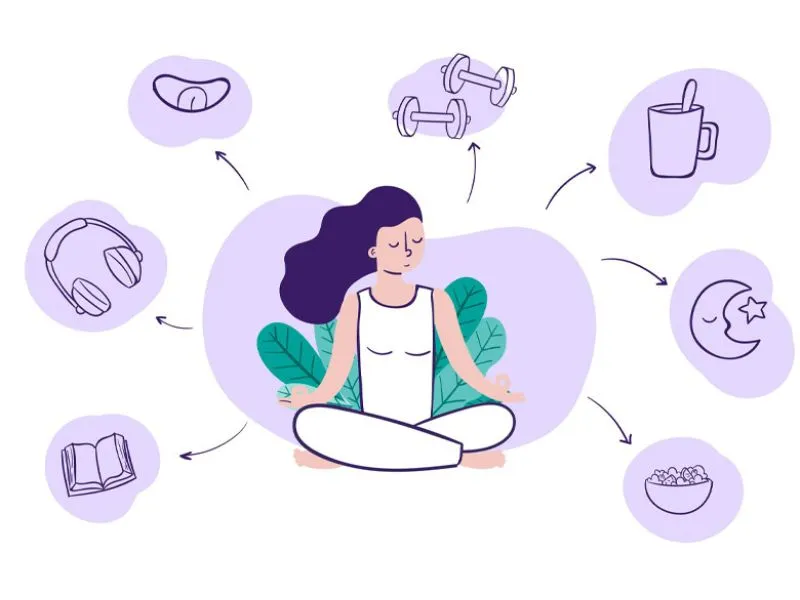
Self-care is the act of taking care of your basic needs so you can function well physically, emotionally, and mentally. It includes rest, nourishment, movement, emotional awareness, and boundaries. True self-care looks different for everyone and changes over time.
The goal is not to escape life, but to support yourself within it.
Start With Rest and Sleep

Quality rest is one of the most important forms of self-care. Without enough sleep, both mental clarity and physical energy suffer. Creating a simple bedtime routine can improve sleep quality. This may include dimming lights, avoiding screens before bed, or practicing quiet reflection.
Rest also includes allowing yourself breaks during the day without guilt.
Nourish Your Body Mindfully

What you eat affects how you feel. Nourishing your body does not mean following strict rules, but choosing foods that support energy and well-being. Eating regular meals, staying hydrated, and slowing down during meals are small habits that make a big difference.
Mindful nourishment supports both physical health and emotional balance.
Move in Ways That Feel Good

Movement is a powerful form of self-care, especially when it feels enjoyable rather than forced. Walking, stretching, gentle exercise, or any activity that keeps your body active can improve mood and reduce stress.
The focus should be on consistency, not intensity.
Protect Your Mental Space

Mental well-being is shaped by what you allow into your thoughts and environment. Setting boundaries around work, social media, and emotional demands is essential. Taking short digital breaks or limiting negative input can help maintain clarity and calm.
Making space for quiet moments allows your mind to reset.
Practice Emotional Awareness

Self-care includes acknowledging your feelings without judgment. Taking time to reflect, journal, or simply check in with yourself helps you understand what you need. Emotional awareness builds resilience and supports healthier responses to stress.
You do not need to fix every feeling, just allow it to be recognized.
Create Small Rituals You Look Forward To
Daily rituals, even small ones, can bring comfort and stability. This could be a morning cup of tea, a short evening walk, or a few minutes of deep breathing. These moments act as reminders to slow down and care for yourself.
Consistency turns small actions into meaningful habits.
Final Thoughts
Self-care does not need to be complicated or overwhelming. Simple habits practiced daily can have a lasting impact on your mental and physical well-being. By listening to your needs and responding with kindness, you create a foundation for a healthier and more balanced life.
Self-care is not selfish. It is essential.
This article is for informational purposes only and is not intended to replace professional medical, psychological, or wellness advice. Individual needs and experiences may vary. Please consult a qualified professional for personalized support or treatment.
#SelfCare #MentalWellBeing #PhysicalWellness #EverydaySelfCare #HealthyHabits #WellnessLifestyle #MindBodyBalance #SelfCareRoutine #Anslation #Carrerbook