
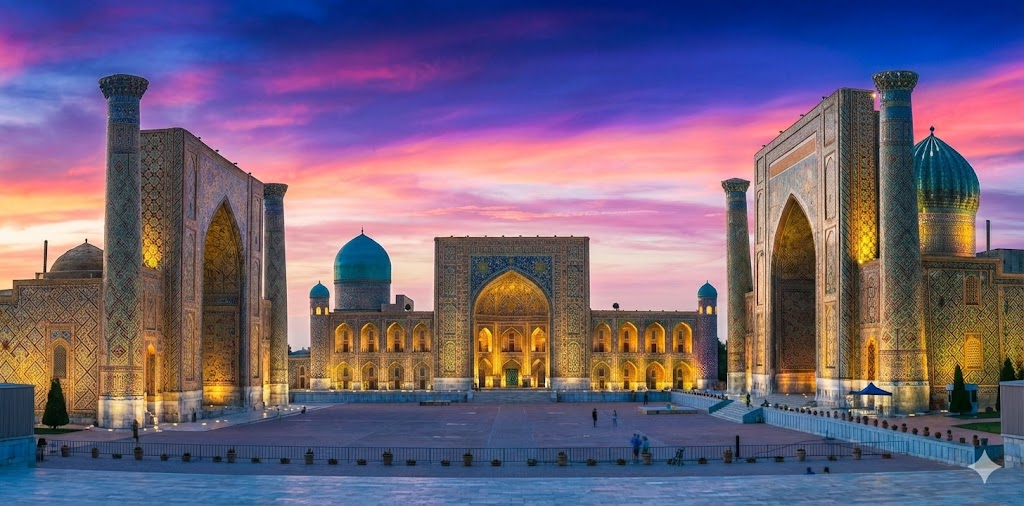
Uzbekistan sits at the very heart of Central Asia, a land where civilizations met, clashed, traded, and blended for thousands of years. Its history is not just a timeline of rulers and wars, but a story of ideas, cultures, and people shaping one another across generations. To understand Uzbekistan today, you need to understand how deep its roots truly go.
Ancient Foundations: The Birthplace of Civilizations
Long before Uzbekistan existed as a nation, its land was home to ancient civilizations such as Sogdiana, Bactria, and Khwarezm. These societies thrived as early as the first millennium BCE, supported by fertile river valleys and strategic trade routes. Farming, craftsmanship, and early urban planning developed here earlier than many people realize.
Sogdian merchants, in particular, played a vital role in connecting East and West. Their cities became cultural crossroads where languages, religions, and traditions freely mixed. Zoroastrianism was widely practiced during this time, leaving a lasting spiritual and cultural influence.
The Silk Road Era: A Crossroads of the World
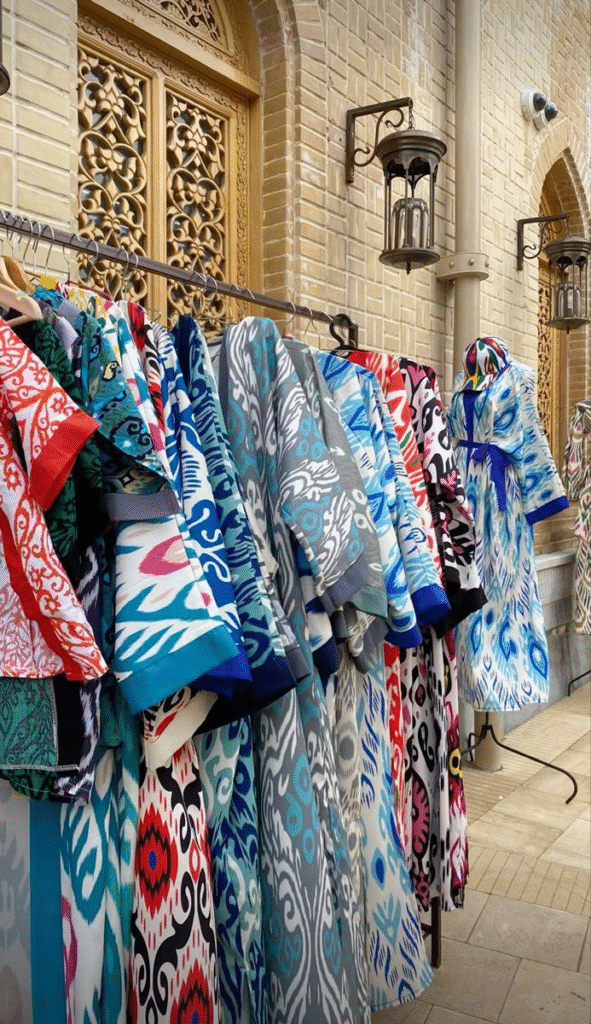
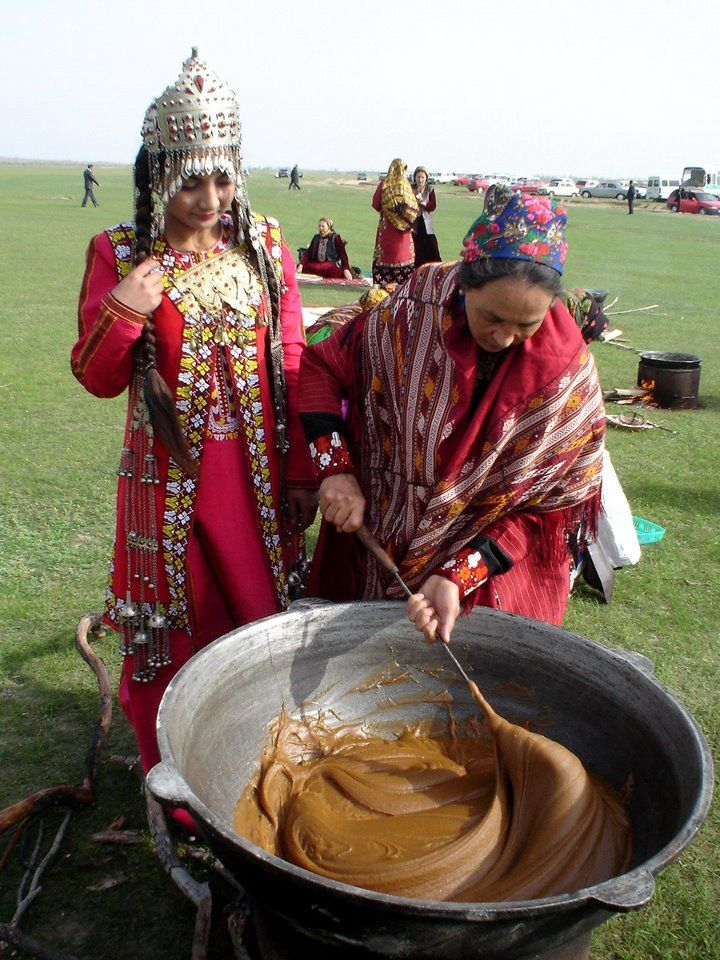
Uzbekistan’s global importance rose dramatically with the Silk Road. Cities like Samarkand, Bukhara, and Khiva became legendary centers of trade, learning, and diplomacy. Merchants brought silk from China, spices from India, gold from the Middle East, and ideas from everywhere.
This era turned the region into a melting pot of cultures. Buddhism, Christianity, and later Islam all passed through or took root here. Architecture flourished, science advanced, and the cities of present-day Uzbekistan became symbols of wealth and knowledge across continents.
The Islamic Golden Age in Central Asia
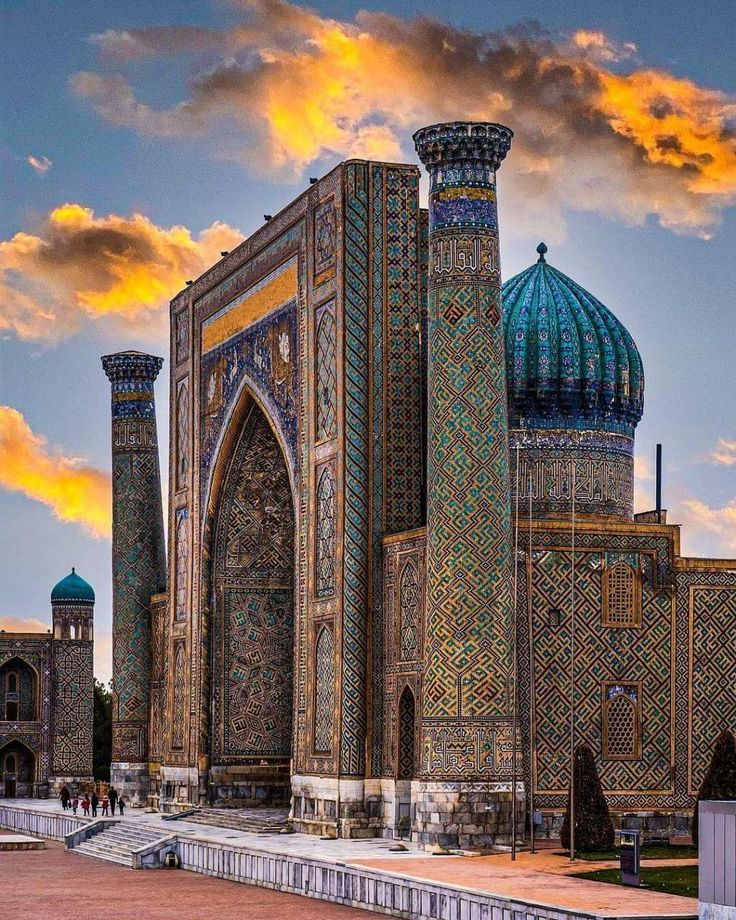
The arrival of Islam in the 7th and 8th centuries reshaped the region profoundly. Over time, Uzbekistan became a major intellectual center of the Islamic world. Scholars from this land made groundbreaking contributions to mathematics, medicine, astronomy, and philosophy.
Figures like Al-Khwarizmi, whose work laid the foundation for algebra, and Avicenna (Ibn Sina), one of the greatest physicians in history, were born or educated in this region. Their influence still reaches modern science and education systems today.
The Timurid Renaissance
Perhaps the most celebrated period in Uzbek history came under Amir Timur (Tamerlane) in the late 14th century. Though known as a fierce conqueror, Timur also transformed Samarkand into a dazzling capital of art, science, and architecture.
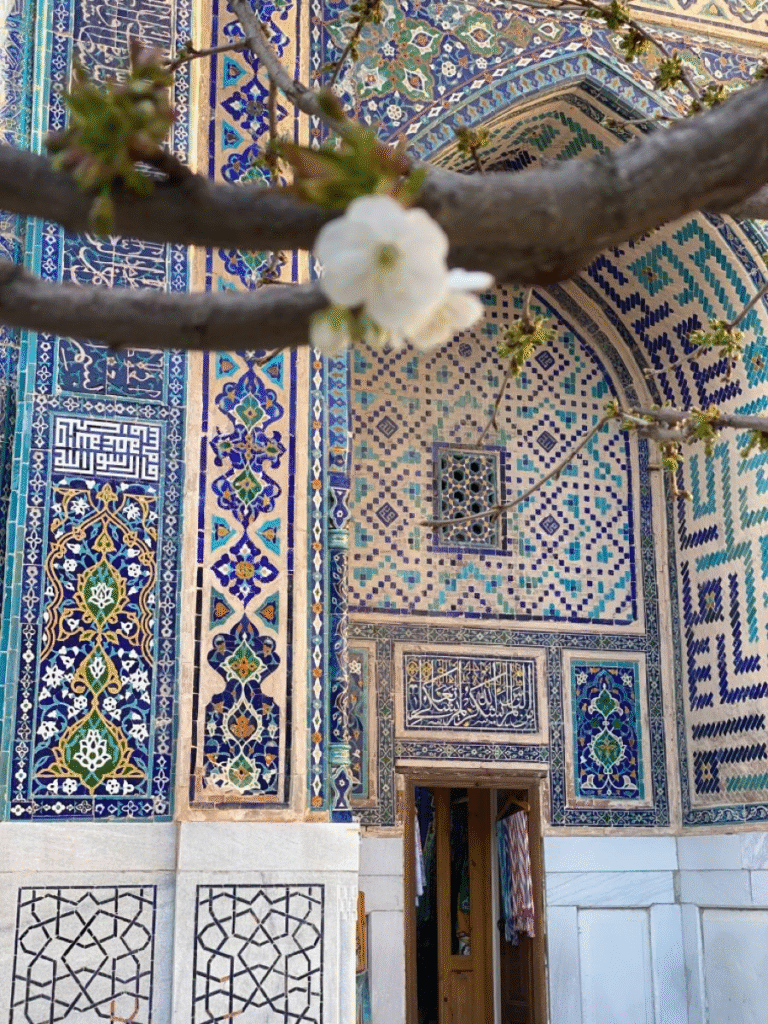
Under the Timurid dynasty, grand madrasas, mosques, and mausoleums were built, many of which still stand today. This era marked a cultural renaissance, blending Persian, Turkic, and Islamic traditions into something uniquely Central Asian.
Russian Rule and Soviet Transformation
In the 19th century, the Russian Empire expanded into Central Asia, bringing Uzbekistan under its control. Traditional ways of life began to change as new political and economic systems were introduced. While infrastructure and industry developed, local autonomy was limited.
Under Soviet rule, Uzbekistan experienced massive social and economic transformation. Literacy rates increased, cities expanded, and agriculture was industrialized. However, this period also brought cultural suppression, environmental damage, and strict political control.
Independence and Modern Uzbekistan
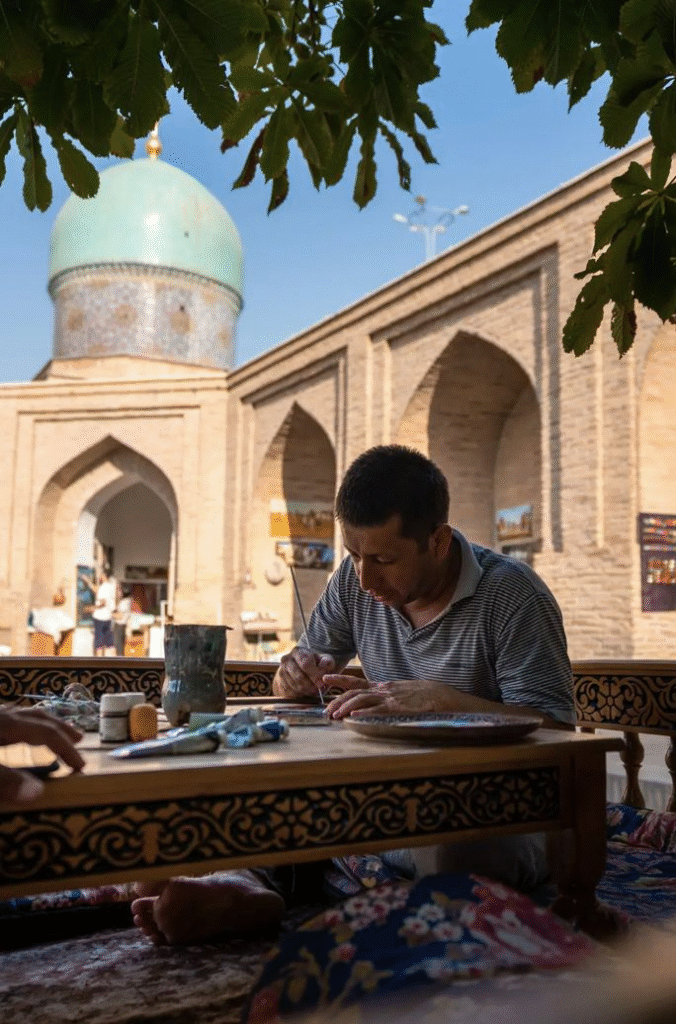
In 1991, Uzbekistan gained independence following the collapse of the Soviet Union. The transition was complex, marked by efforts to establish national identity, political stability, and economic growth.
Today, Uzbekistan is opening up to the world while rediscovering its historical and cultural heritage. Restoration of ancient cities, renewed interest in traditional arts, and increased tourism reflect a country reconnecting with its past while shaping its future.
Why Uzbekistan’s History Matters
Uzbekistan’s history matters because it shows how deeply connected the world has always been. Long before globalization became a modern concept, this land was already global. The ideas, sciences, and cultures that passed through Uzbekistan helped shape human civilization far beyond its borders.
Understanding this history offers more than facts; it offers perspective. It reminds us that progress is built through exchange, adaptation, and resilience.

Modern Home Design Trends You Need to Know in 2026
At its core, modern home design prioritizes clean architectural lines, uncluttered layouts, and an unwavering…

The Ultimate Guide to Nightlife in 2026: Best Cities, Bars & Entertainment
There is a moment in almost every trip when the sun goes down, the daytime…

The Ultimate Guide to Home & Décor Inspiration for Every Room
A well-designed home is so much more than four walls and a roof over your…

The Ultimate Guide to Gift Ideas for Every Budget in 2026
Finding the perfect gift can be both exciting and challenging. Whether you’re shopping for a…

Modern Home Decor Trends That Will Dominate This Year
Home decor trends are constantly evolving, reflecting changes in lifestyle, technology, comfort, and personal expression….

The Ultimate Guide to the World’s Best Places to Visit
Traveling is one of the few things that makes us richer without adding anything to…
Final Thought
Uzbekistan is not just a destination on the map; it is a living archive of human history. Every city, monument, and tradition carries echoes of ancient traders, scholars, and empires. Learning its history is not about looking backward—it’s about appreciating how the past continues to shape the present and inspire the future.
This article is intended for educational and informational purposes only. While every effort has been made to ensure historical accuracy, interpretations may vary, and readers are encouraged to consult multiple sources for deeper research.
#UzbekistanHistory #CentralAsia #SilkRoad #WorldHistory #CulturalHeritage #AncientCivilizations #HistoricalJourney #Anslation #Carrerbook