
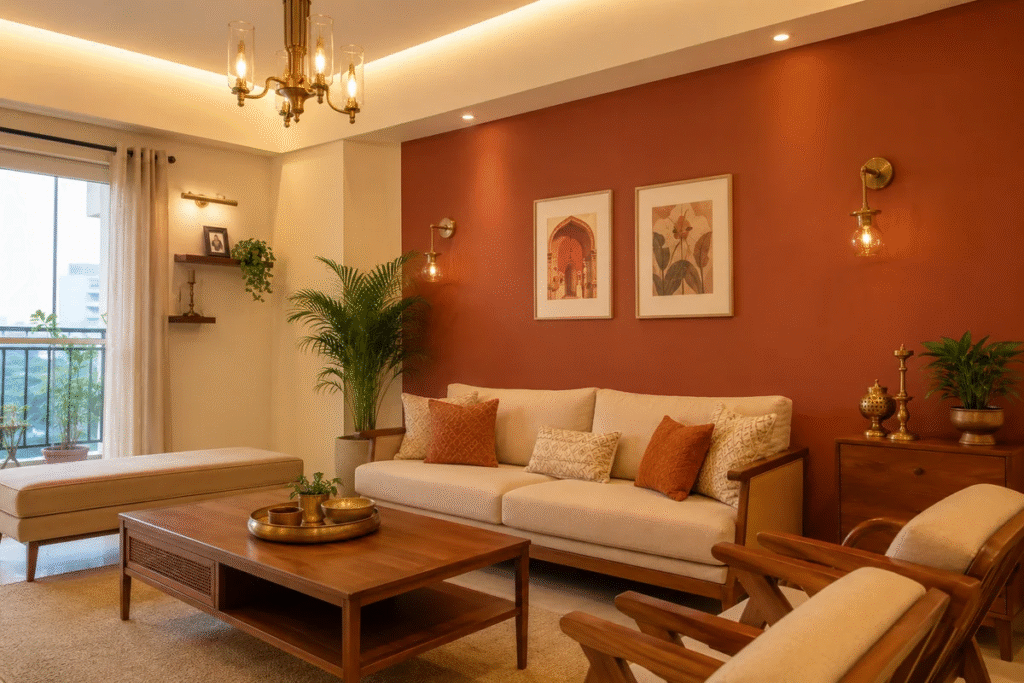
A well-designed home is so much more than four walls and a roof over your head. It is a true reflection of who you are, how you live, and what makes you comfortable. When you walk through your front door after a chaotic day, your surroundings immediately shape your mood. Taking the time to decorate isn’t just about showing off pretty things—it actually helps you relax, think clearer, and make better use of your everyday space.
Putting a little love into your living space also pays off in practical ways. A clean, comfortable, and well-thought-out layout makes daily life smoother and boosts your property’s value down the road. Whether you prefer a clean modern look, a warm traditional feel, or something cozy and rustic, building a space you love ensures your home remains welcoming, easy to live in, and beautiful for years to come.
Designing a Welcoming Living Room
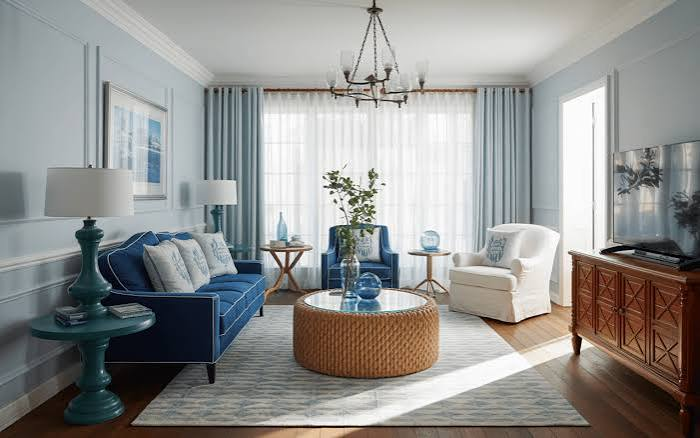
The living room is usually where life happens—it’s where you kick back after work and where everyone hangs out when friends come over. To get the layout right, start with sturdy, comfortable seating that fits the actual size of your room without blocking doorways or walkways. Place a supportive couch, add an accent chair or two, and center everything around a practical coffee table so conversation flows naturally.
+———————————————————–+
| LIVING ROOM LAYOUT |
| |
| [ Accent Chair ] [ Accent Chair ] |
| \ / |
| +————————+ |
| | Coffee Table | |
| +————————+ |
| || |
| [ Comfortable Sofa ] |
| |
| * Anchor with an area rug to tie elements together |
+———————————————————–+
To give the room real warmth and personality, try layering in these basic touches:
- Soft Fabrics: Throw in cozy pillows, warm knit blankets, and a soft rug underfoot to break up hard furniture lines.
- Good Lighting: Mix overhead lighting with warm table lamps and floor lamps so you can easily dim the room when it’s time to movie-binge.
- Personal Touches: Hang up favorite artwork, place a few happy houseplants, and show off family photos to make the space truly yours.
Creating a Comfortable Bedroom
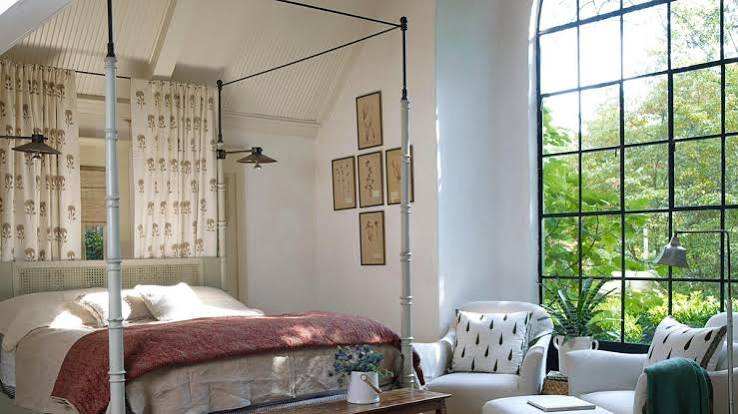
Your bedroom should be the one place in the house where you can completely switch off and charge your batteries. To build a peaceful vibe, stick with soothing, soft paint colors like warm beige, soft sage, or muted grey. Since your bed is the star of the show, invest in a solid mattress and soft, breathable sheets so you get a great night’s sleep every single night.
Keeping clutter out of sight is the fastest way to make a bedroom feel calm. Look for a bed frame with hidden drawers underneath or grab nightstands with drawers to tuck away books, chargers, and odds and ends. Layer up with extra blankets and heavy curtains to block out early morning sun, and add soft bedside lamps that let you read without blinding yourself before sleep.
Designing a Functional Kitchen
The kitchen gets used more than almost any other spot in the house, so it needs to be tough, practical, and easy to move around in. A good layout makes cooking feel less like a chore by keeping your fridge, sink, and stove within easy reach of each other. Choose durable counter surfaces like granite or quartz that can handle heavy cutting boards, hot pots, and everyday spills without staining.
[ Cooking Zone / Stove ]
/ \
/ \
/ \
/ \
[ Storage / Fridge ] ——– [ Cleaning / Sink ]
Smart storage makes a massive difference in keeping your kitchen counters clear and usable:
- Smart Cabinets: Use pull-out shelves and deep drawers so you don’t lose pots and pans in the dark back corners.
- Easy-to-Clean Walls: Put up a simple tile backsplash behind the stove to protect your walls from sauce splatters while adding a bit of style.
- Bright Task Lights: Stick LED lights under your upper cabinets so you can actually see what you’re chopping.
Making the Dining Room More Inviting
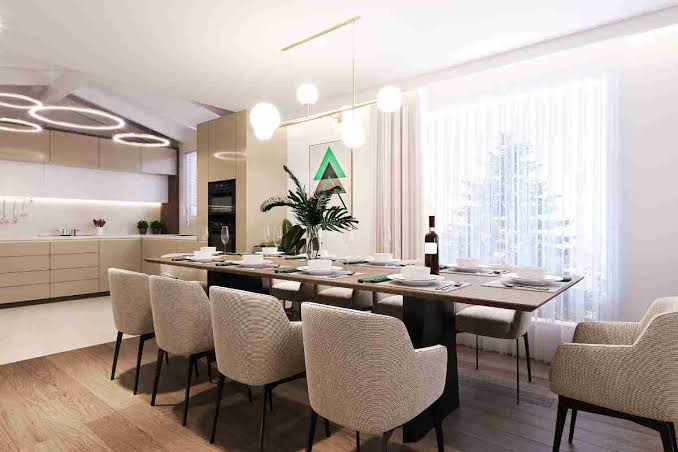
The dining room is all about bringing people together over good food and honest conversation. The anchor here is a dining table that leaves enough room to walk around without everyone having to squeeze past chairs. Pair it with chairs that are actually comfortable to sit in for hours so guests don’t feel rushed to get up the second dessert is finished.
To make the space feel grounded, hang a pendant light or warm fixture right above the middle of the table. Keep your table decor low and simple with a cloth runner, a wooden bowl, or fresh flowers so people can see each other across the table. Adding a mirror on the wall is another easy trick to reflect light and make a small dining area feel twice as big.
Home Office Ideas for Better Productivity
With so many people working from home these days, having a workspace that doesn’t mess up your back or focus is a lifesaver. Try to set up your desk near a window so you get plenty of natural daylight, which keeps you awake and cuts down on eye strain. Treat yourself to a supportive, adjustable desk chair and a roomy table set at a comfortable height.
| Workstation Element | Simple Setup Strategy | What It Does for You |
| Desk Setup | Plenty of surface area with simple cord clips | Stops wires from cluttering your view |
| Chair | Adjustable chair with proper back support | Keeps your back from aching after long calls |
| Storage | Basic wall shelves and drawer units | Keeps bills and paperwork out of your sight |
| Plants | Low-maintenance potted plants like snake plants | Cleans the air and makes your desk feel alive |
Decorating a Clean, Spa-Like Bathroom
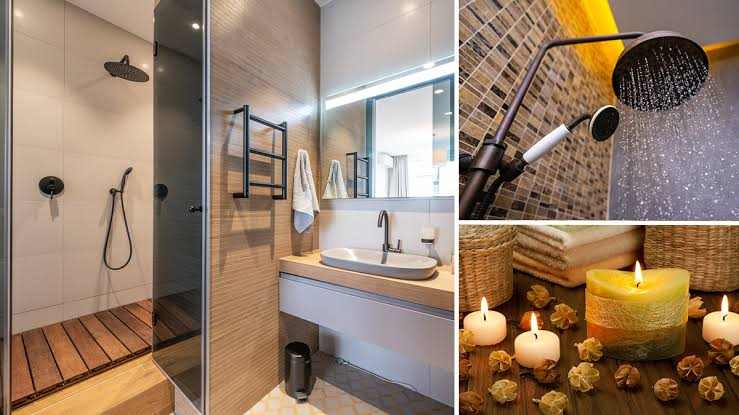
Bathrooms work hard every day, but with a few tweaks, they can feel like a cozy getaway rather than just a utility room. Start by clearing off the vanity counters using woven baskets, floating shelves, or drawer dividers. Updating small hardware—like replacing plain handles and faucets with matte black or brushed metal finishes—instantly makes an older bathroom feel modern.
Swap out thin, scratchy towels for thick cotton towels and a soft, non-slip bath mat to warm up cold tiled floors. Add a few humidity-loving plants like ferns or pothos, set out a sweet-smelling reed diffuser, and swap harsh overhead bulbs for warm, soft lighting to create a chill, spa-like feel when taking a shower or bath.
Creating Beautiful Outdoor Spaces
Your porch, patio, or balcony is basically an extra room waiting to be used. Whether you have a tiny apartment balcony or a big backyard, pick durable outdoor furniture made from weather-resistant wood or metal that won’t fall apart after one rainy season. Add thick outdoor cushions covered in waterproof fabrics so sitting outside feels just as cozy as sitting in your living room.
[ Outdoor Dining / Seating Area ]
|
+————-+————-+
| |
[ String Lights & ] [ Potted Plants & ]
[ Warm Lanterns ] [ Outdoor Rugs ]
| |
+————-+————-+
|
[ Cozy, Inviting Ambience ]
To enjoy your outdoor spot after the sun sets, string up simple bistro lights overhead or place solar lanterns around your seating. Add a small outdoor rug, a few potted herbs, and a simple fire pit if you have space, turning your yard into the best spot in the house for evening relaxation.
Choosing the Right Color Palette
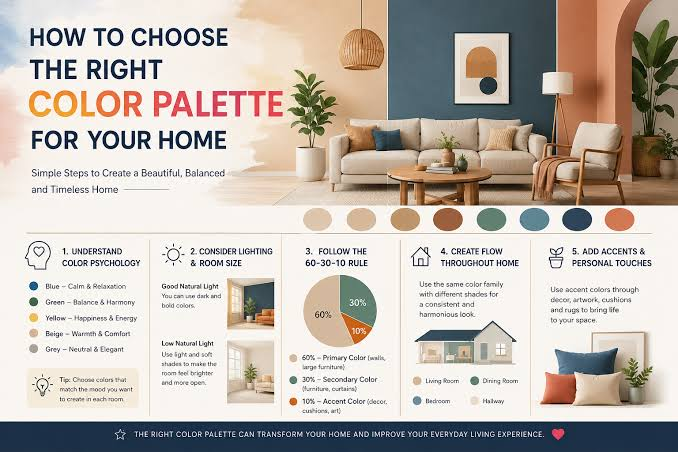
Color completely changes how a room feels the moment you step inside. Lighter neutral paints reflect light and make tiny rooms feel wider, while deeper, moodier shades add a warm, snug feel when used thoughtfully.
Simple Decor Tip: Follow the 60-30-10 rule when painting and decorating. Use 60% neutral color on your walls, 30% secondary color on curtains and rug, and 10% punchy color on cushions or art to keep things balanced without overwhelming your eyes.
Layering Lighting for Function and Mood
Relying on just one bright ceiling light usually makes a room look flat and clinical. A cozy home uses three distinct layers of light:
- General Light: Main overhead lighting like recessed ceiling lights or simple chandeliers that fill the whole room.
- Task Light: Direct light where you need to do things, like desk lamps, bedside reading lights, or under-cabinet kitchen LEDs.
- Accent Light: Soft light meant to show off cool spots, like picture lights over art or small LED strips behind shelves.
Smart Storage Solutions for Clutter-Free Living
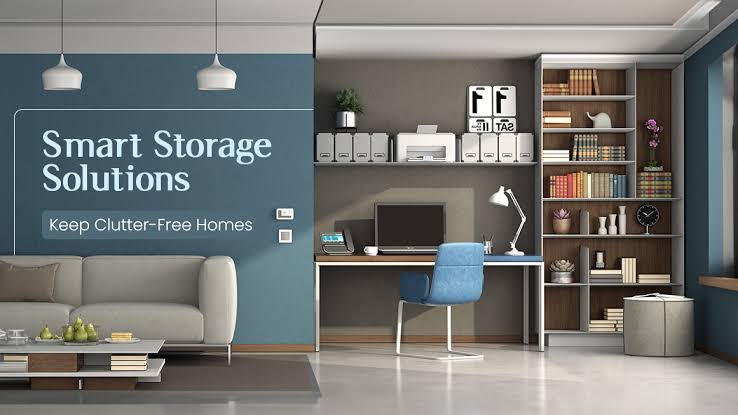
An organized home feels calmer and much easier to clean. To keep mess from piling up without cramming your house full of plastic tubs, look for furniture that pulls double duty. Pieces like storage benches in the entryway, ottomans with lids, and coffee tables with drawers hide clutter right in plain sight.
Don’t forget to use your wall space by installing simple floating shelves or tall bookcases. Group smaller items into matching baskets or fabric bins so everything has a designated home, making cleanup effortless at the end of the day.
Simple Home Décor Trends Worth Trying
Home design trends today are moving away from flashy, disposable stuff and leaning into practical, long-lasting comfort. Here are a few simple trends actually worth bringing into your home:
- Real, Natural Materials: Look for solid wood, natural stone, linen, and woven jute that age gracefully.
- Earthy Paints: Try warm colors like terracotta, soft olive, sand, and warm ochre for a grounded vibe.
- Hidden Tech: Tuck away smart plugs and automated blinds so your home feels relaxing, not tech-obsessed.
- Houseplants: Add easy-to-care-for greenery to bring life and fresh air into every corner.
How to Decorate on a Tight Budget
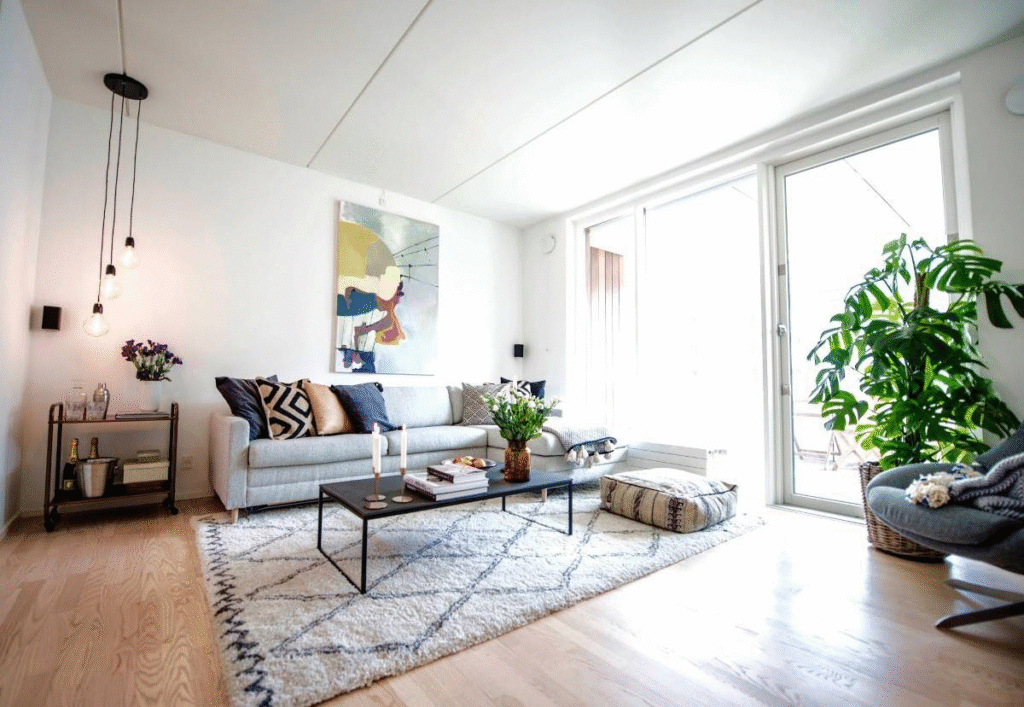
You don’t need a huge bank account to make your place look fantastic. Small, affordable changes often make the biggest difference. Rolling a fresh coat of paint on the walls is still the cheapest way to completely transform how a room feels.
You can also swap out old cushion covers, hang fresh curtains, or pick up solid secondhand furniture at thrift sales to refinish yourself. Decluttering your surfaces, rearranging your layout, and cleaning windows costs nothing at all but makes your whole house feel brand new instantly.
Common Decorating Mistakes to Steer Clear Of
It’s easy to make a few layout missteps when buying furniture without a clear plan. One of the biggest mistakes is cramming too much furniture into a room, which makes walking through it feel like an obstacle course. Always measure your floors before buying large sofas or tables.
Another mistake is hanging picture frames too high—keep art centered around eye level, roughly 5 feet off the floor. Finally, avoid tiny area rugs that look like floating islands; make sure your rug is large enough that the front legs of your furniture sit on top of it, pulling the whole seating area together seamlessly.