
A beautiful home does not have to look like it came straight Home & Decor from a showroom. In 2026, home décor is becoming more personal, practical, and comfortable. People are looking for spaces that reflect their personality while still being easy to live in every day.
From warm color palettes and natural materials to smart storage and multifunctional furniture, today’s home trends focus on creating interiors that feel welcoming rather than overly perfect.
Whether you’re decorating a new home, refreshing one room, or simply looking for small ways to make your space feel better, a few thoughtful changes can make a noticeable difference.
Why Home & Decor Matters
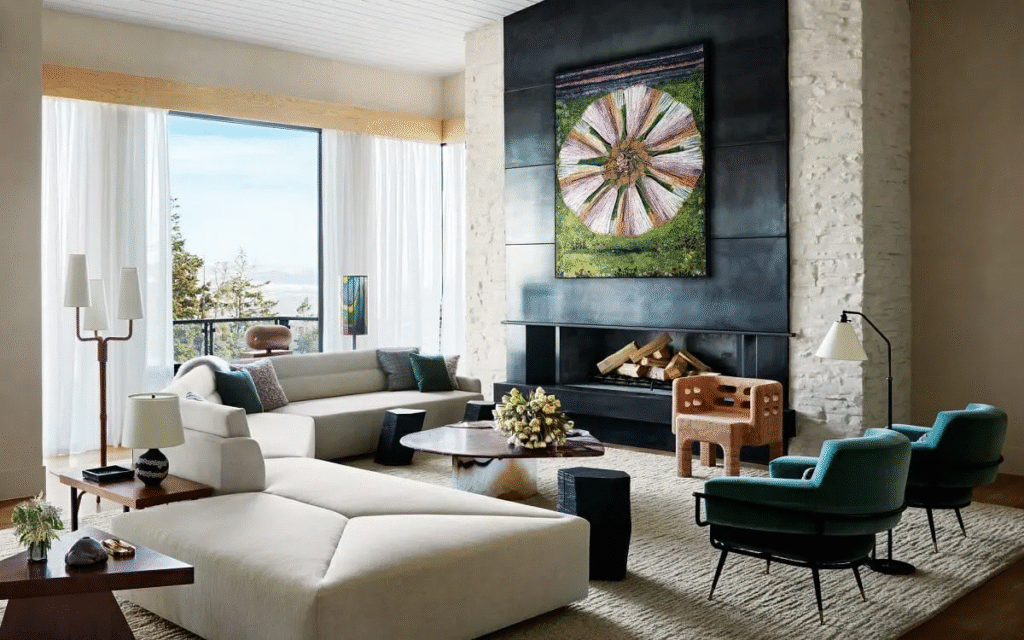
Your home is more than a collection of furniture and accessories. It is where you relax after a busy day, spend time with family, work, entertain guests, and create everyday memories.
Good décor can improve how a room looks, feels, and functions.
You don’t necessarily need a complete renovation. Sometimes changing the lighting, rearranging furniture, adding plants, or introducing a few carefully chosen accessories can completely change the atmosphere.
Quick Home Décor Guide
| Area | Simple Décor Ideas |
|---|---|
| Living room | Comfortable seating, rugs, artwork, layered lighting |
| Bedroom | Soft textiles, warm lighting, calming colors |
| Kitchen | Organized storage, functional accessories, open shelving |
| Bathroom | Mirrors, plants, baskets, coordinated accessories |
| Workspace | Good lighting, organized desk, ergonomic furniture |
| Balcony | Plants, compact seating, outdoor lighting |
Home Décor Trends to Explore in 2026
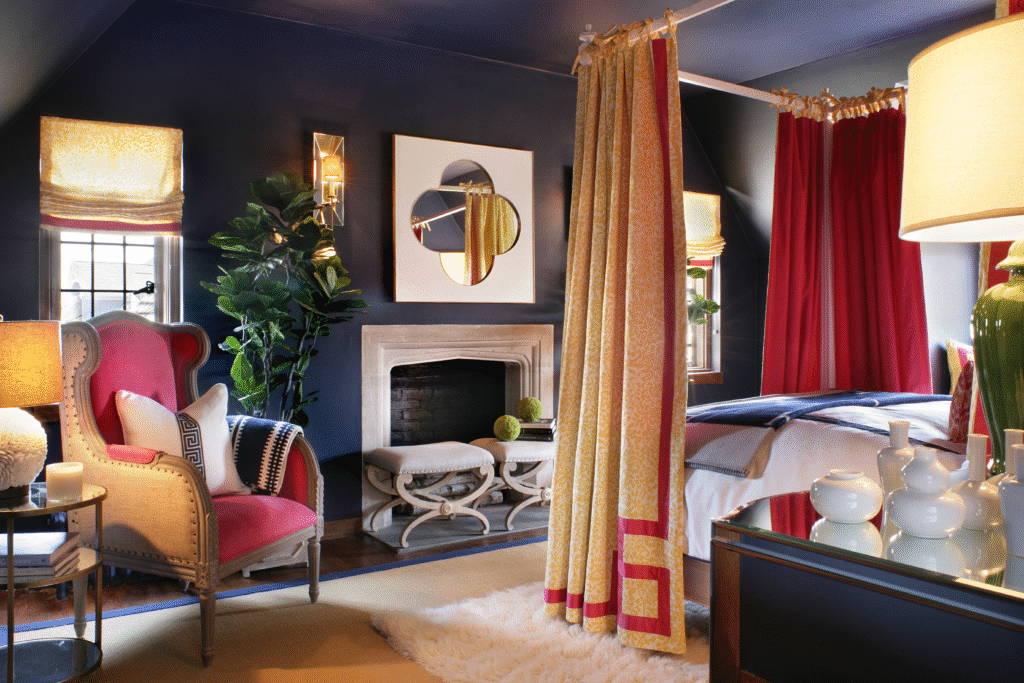
Interior trends change constantly, but not every trend needs to become part of your home. The best approach is to choose ideas that suit your lifestyle and combine them with timeless pieces.
1. Warm and Comfortable Interiors
Cool, overly minimal interiors are giving way to spaces that feel warmer and more inviting.
Soft neutral colors, textured fabrics, wooden surfaces, rugs, and warm lighting can make a room feel more comfortable.
Think of cream, beige, warm white, earthy brown, muted green, and soft terracotta rather than relying entirely on bright or stark shades.
You can introduce these tones through cushions, curtains, rugs, artwork, or smaller decorative pieces without repainting the entire room.
2. Natural Materials
Natural materials can bring texture and character into a space.
Wood, bamboo, stone, linen, cotton, rattan, and woven materials can work across different interior styles.
A wooden coffee table, woven basket, linen curtains, or rattan chair can add warmth without making the room feel overcrowded.
3. More Personality, Less Perfection
Homes are becoming more personal.
Instead of copying a complete room from a showroom or social media post, homeowners are mixing different styles, colors, textures, and objects that have personal meaning.
Family photographs, travel souvenirs, books, artwork, handmade pieces, and vintage finds can give a home its own identity.
The goal is not perfection. The goal is a space that feels like yours.
Decorating Room by Room
Different rooms serve different purposes, so each space needs its own approach.
Living Room Ideas
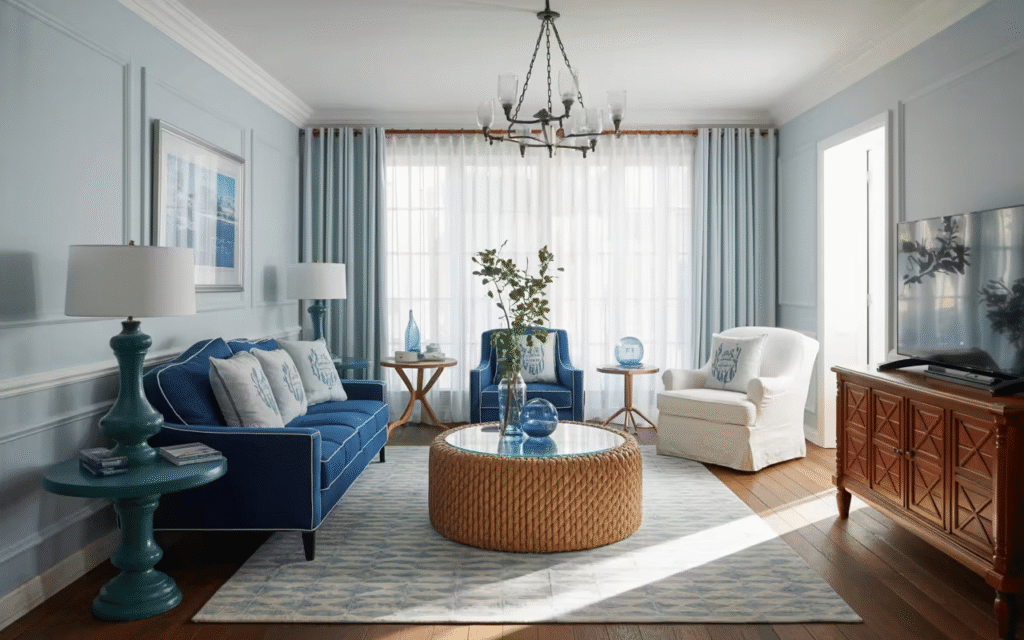
The living room is often the social center of the home, making comfort and functionality particularly important.
Start with the seating arrangement. Furniture should allow people to talk comfortably while leaving enough space to move around.
Then add layers through lighting, textiles, artwork, and accessories.
Easy Living Room Updates
- Add a textured rug to define the seating area.
- Use cushions in complementary colors.
- Introduce a plant for a natural touch.
- Add artwork or photographs to empty walls.
- Use floor or table lamps to create softer lighting.
- Keep frequently used items within easy reach.
A room does not need dozens of decorations. A few well-chosen pieces can have more impact than a crowded space.
Bedroom Décor Ideas
Bedrooms should feel relaxing rather than visually overwhelming.
Soft colors, comfortable bedding, warm lighting, and uncluttered surfaces can create a calmer atmosphere.
Consider using bedside lamps instead of relying only on bright ceiling lights. Layering different types of lighting allows you to create a softer mood in the evening.
Storage also matters. A tidy bedroom can feel more peaceful, so use baskets, drawers, wardrobes, or under-bed storage to keep everyday items organized.
Kitchen Décor Ideas
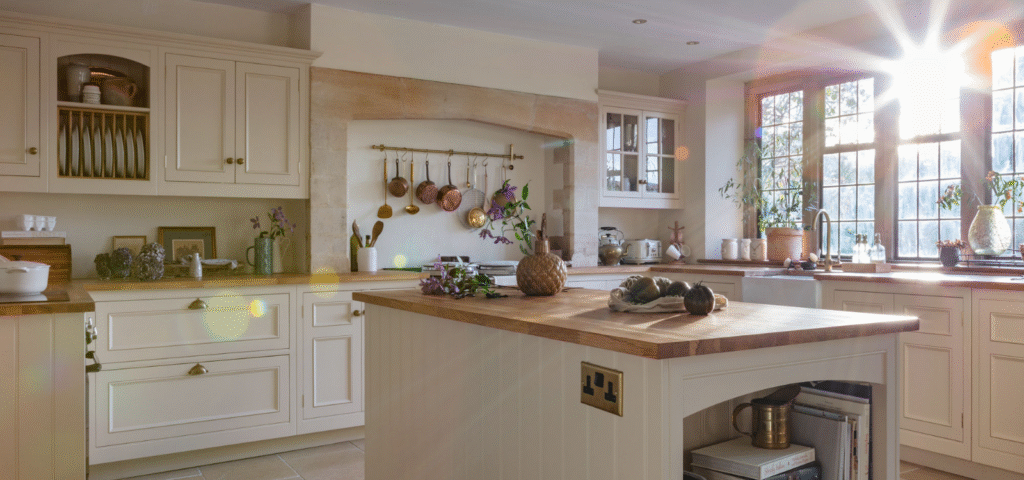
The kitchen needs to balance style with practicality.
Open shelves can display attractive dishes, glassware, plants, or cookbooks, while closed cabinets can hide less decorative items.
Use containers to organize frequently used ingredients and keep countertops clear where possible.
Small details such as cabinet handles, lighting, rugs, or countertop accessories can refresh the look without requiring a major renovation.
Kitchen Refresh Ideas
| Change | Impact |
|---|---|
| New cabinet handles | Quick visual update |
| Under-cabinet lighting | Better functionality and atmosphere |
| Storage containers | Cleaner countertops |
| Small plants | Adds freshness |
| Open shelving | Displays decorative items |
| Kitchen textiles | Adds color and texture |
Bathroom Styling
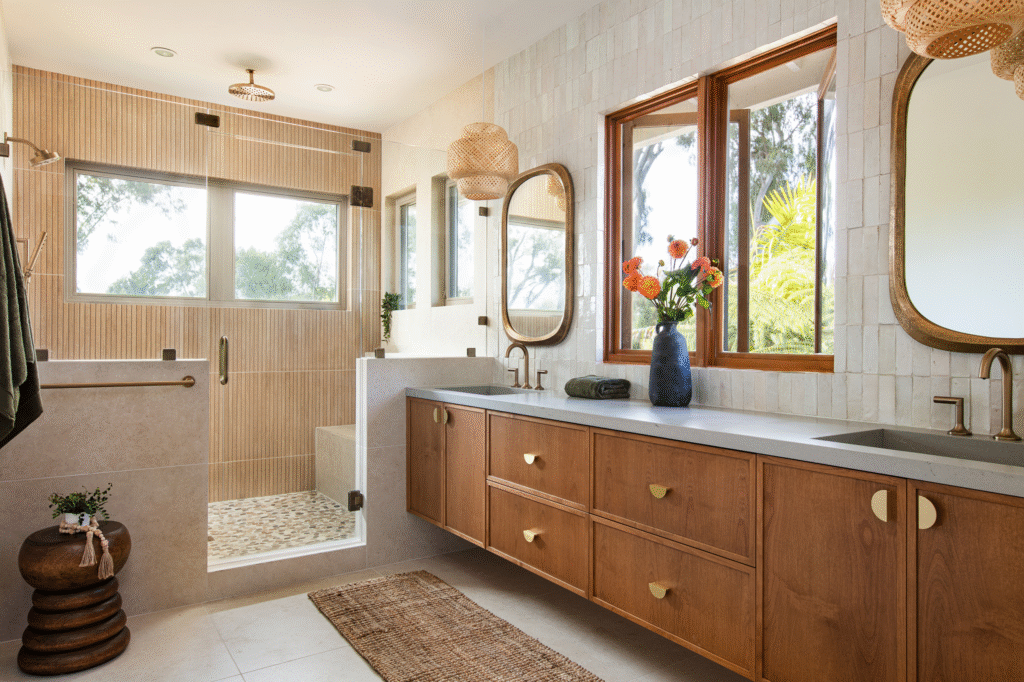
Bathrooms are often overlooked when decorating, but small improvements can make them feel much more polished.
A large mirror can make a compact bathroom feel more open, while coordinated towels, baskets, soap dispensers, and storage containers can create a cleaner appearance.
If the room has enough natural or suitable artificial light, adding a small plant can also bring some life into the space.
Creating a Stylish Home on a Budget
Refreshing your home doesn’t always require expensive furniture.
One of the easiest ways to decorate on a budget is to work with what you already have.
Move furniture between rooms, rearrange artwork, change cushion covers, reorganize shelves, or give an old piece of furniture a new finish.
Budget-Friendly Ideas
Rearrange furniture: A new layout can make a familiar room feel completely different.
Change textiles: Curtains, cushions, blankets, and rugs can introduce a new color palette without major spending.
Use plants: Indoor plants can add color and natural texture.
Refresh walls: Artwork, photographs, removable wallpaper, or mirrors can transform empty walls.
Declutter: Removing unnecessary items is one of the cheapest ways to make a room feel more spacious.
The Importance of Lighting
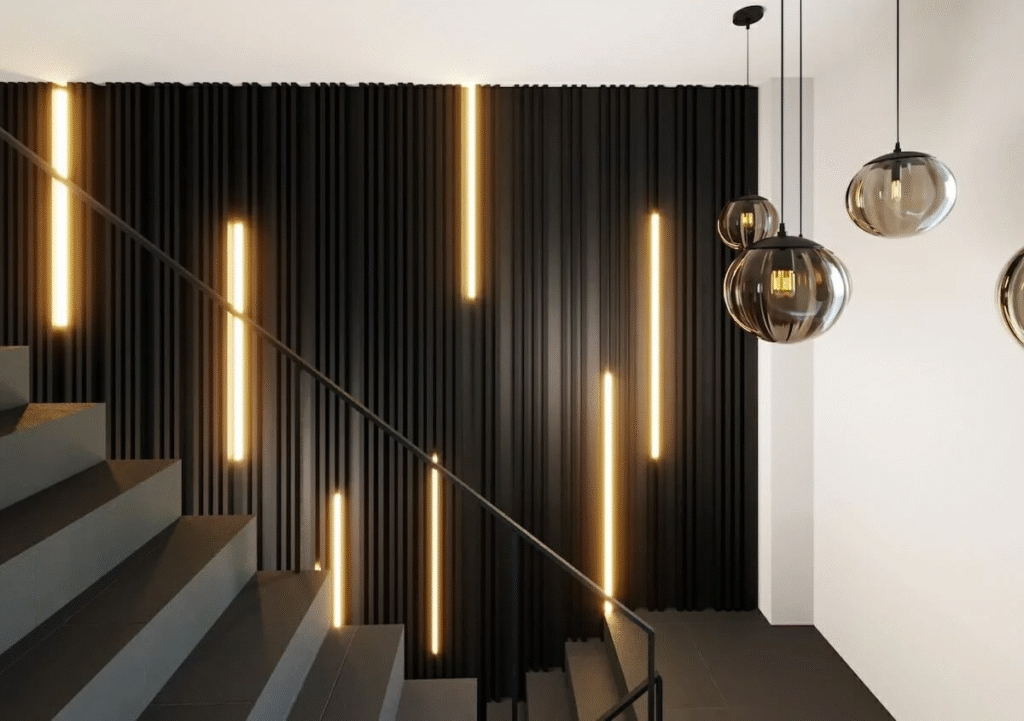
Lighting can completely change how a room feels.
A single bright ceiling light may be practical, but combining different light sources creates more depth.
Consider three basic layers:
| Lighting Type | Purpose |
|---|---|
| Ambient | General room illumination |
| Task | Focused light for reading, cooking, or working |
| Accent | Highlights artwork, shelves, or decorative areas |
Warm lighting can make living rooms and bedrooms feel cozy, while brighter task lighting can be useful in kitchens and workspaces.
Smart Storage for Modern Homes
As homes become more multifunctional, smart storage is becoming increasingly important.
A room may serve as a workspace during the day and a relaxation area in the evening. Furniture and storage solutions need to adapt accordingly.
Look for furniture that provides multiple functions, such as:
- Ottomans with hidden storage
- Beds with drawers
- Foldable desks
- Storage benches
- Wall-mounted shelves
- Modular furniture
Good storage should make things easier to find—not simply hide clutter.
Decorating Small Spaces
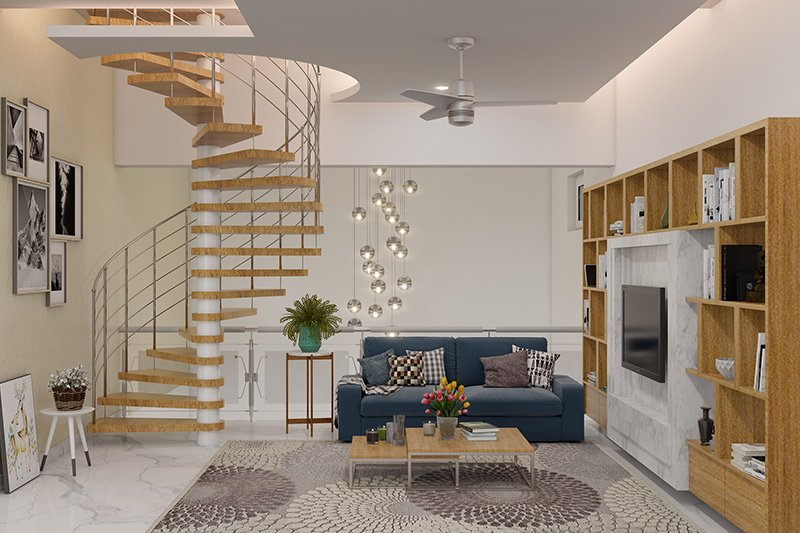
The key is to avoid filling every available space with furniture and accessories.
Use furniture that fits the room rather than choosing oversized pieces. Wall-mounted shelves can provide storage without taking up floor space, while mirrors can help reflect light and create a sense of openness.
Light colors can also make a room feel brighter, but that doesn’t mean small spaces must be completely white. A carefully chosen accent color can add personality.
Small rooms can still feel stylish and comfortable.
Bringing Nature Indoors
Indoor plants continue to be an easy way to add life and texture to a home.
Plants can work on windowsills, shelves, side tables, balconies, and larger floor spaces depending on the available light.
If maintaining plants is difficult, low-maintenance varieties or realistic decorative alternatives can provide a similar visual effect.
Natural materials can complement greenery particularly well, creating a relaxed and earthy atmosphere.
Personalizing Your Home
A stylish home should still feel personal.
Instead of purchasing every decorative item at once, collect pieces gradually.
A favorite photograph, handmade object, travel souvenir, vintage lamp, or artwork can become a focal point and make the room feel more meaningful.
Personal Touches to Consider
- Family photographs
- Travel memories
- Books and collections
- Handmade artwork
- Vintage objects
- Favorite colors
- Plants and natural materials
- Locally crafted décor
These details often tell a story that mass-produced décor cannot.
Sustainable Home Décor
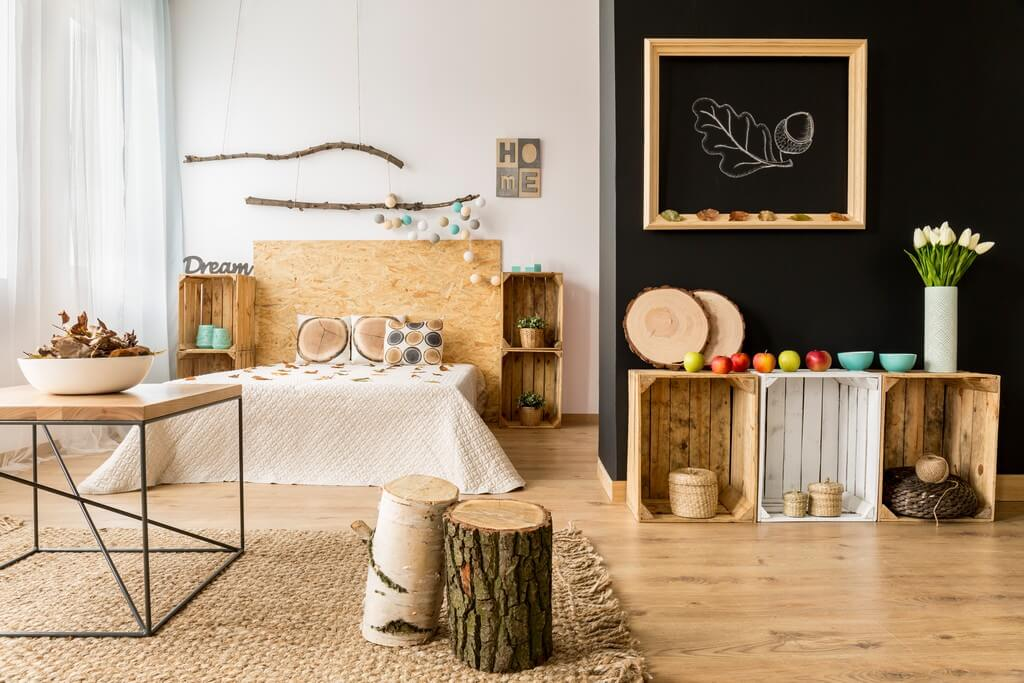
Sustainability is also influencing how people decorate their homes.
Rather than constantly replacing furniture whenever trends change, consider choosing durable pieces that can remain useful for years.
Buying second-hand furniture, repairing older items, choosing reusable décor, and selecting products made from durable or responsibly sourced materials can help reduce unnecessary consumption.
A sustainable home doesn’t have to look rustic or basic. Modern design and responsible choices can work together.
Common Home Décor Mistakes
Sometimes knowing what not to do is just as useful as knowing what to do.
Too Much Furniture
Overfilling a room can make it difficult to move around and can make the space feel smaller.
Too Many Colors
Using too many unrelated colors can create visual noise. Choose a base palette and add one or two accent shades.
Ignoring Lighting
Beautiful furniture can still look uninviting under harsh or poorly positioned lighting.
Following Every Trend
Trends can be inspiring, but your home doesn’t need to change every season. Choose trends that fit your personality and lifestyle.
Forgetting Function
A room may look beautiful in photographs but be frustrating to use. Always consider comfort and everyday practicality.
A Simple Formula for Better Décor
If you’re unsure where to start, try this simple approach:
Function → Color → Furniture → Lighting → Texture → Personal Touches
First, decide how you use the room. Then choose a color direction, select appropriate furniture, improve the lighting, add textures, and finish with personal accessories.
This creates a balanced space without making the decorating process overwhelming.
Home & Decor Checklist for 2026
| Focus Area | Simple Goal |
|---|---|
| Comfort | Choose furniture that is genuinely comfortable |
| Color | Create a consistent palette |
| Lighting | Combine ambient, task, and accent lighting |
| Storage | Reduce visible clutter |
| Nature | Add plants or natural textures |
| Personality | Display meaningful objects |
| Sustainability | Choose durable and reusable pieces |
| Function | Make every room practical |
Self-Care 2026: Simple Ways to Feel Better Every Day
Self-care is often associated with spa days, long vacations, or expensive wellness products. But real…
Home & Decor 2026: Stylish Ideas for a Beautiful Home
A beautiful home does not have to look like it came straight Home & Decor…

Best Travel Destinations by Season in 2026: A Complete Guide
When you align your itinerary with the local calendar, magic happens. You hit that sweet…

Digital Detox 2026: 10 Simple Ways to Spend Less Time on Screens
You roll over in bed, open your eyes, and before your brain even fully boots…

Solo Travel USA 2026: Safe, Affordable & Beautiful Destinations
Before you click “book,” your brain starts firing off a relentless series of what-ifs. What…

The Ultimate Wardrobe Essentials Checklist for 2026
We’ve all been there: standing in front of a closet crammed full of clothes, staring…