
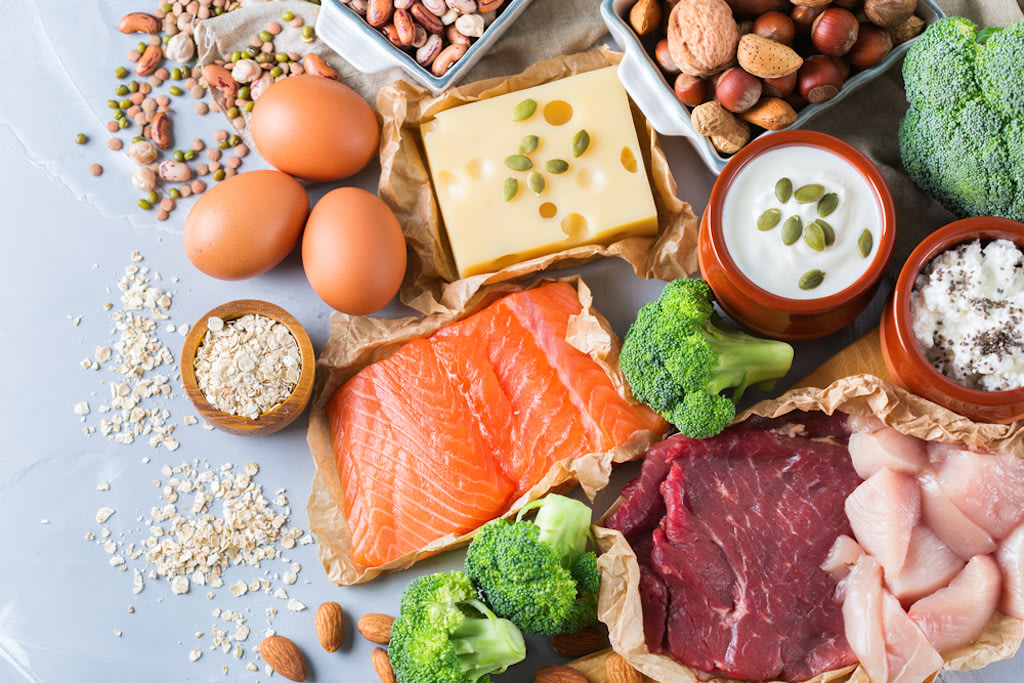
Self-care isn’t just about spa days or journaling—it starts on your plate. What we eat has a profound impact on our energy levels, mood, and overall wellbeing. By embracing food as a tool for self-care, you can nurture your body and mind at the same time. Here’s how to make eating an act of kindness toward yourself.
1. Start With Whole, Unprocessed Foods
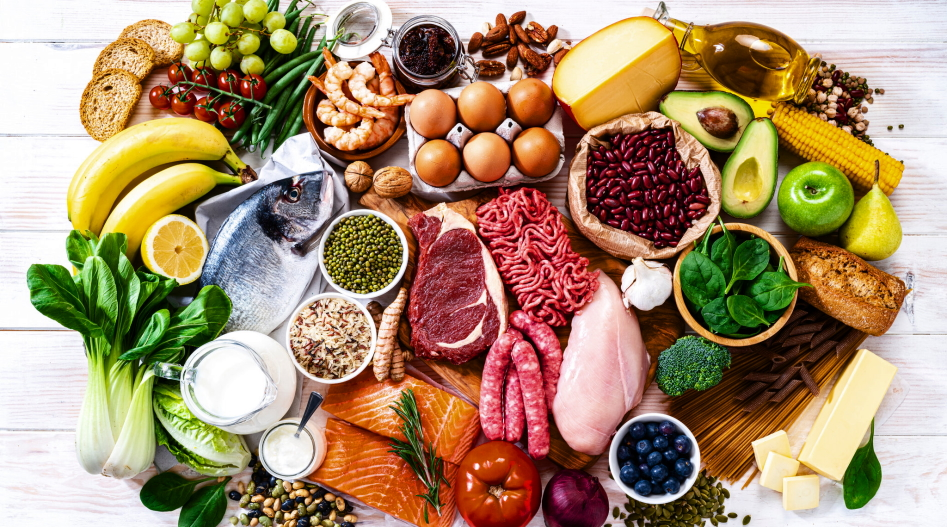
The foundation of food-based self-care is simple: focus on foods as close to their natural form as possible. Fruits, vegetables, whole grains, nuts, and seeds provide your body with essential nutrients without the unnecessary additives or sugar spikes found in processed foods.
Tip: Try to fill half your plate with vegetables or fruits at each meal. Variety not only keeps your meals interesting but ensures you get a spectrum of vitamins and minerals.
2. Prioritize Protein for Energy and Mood
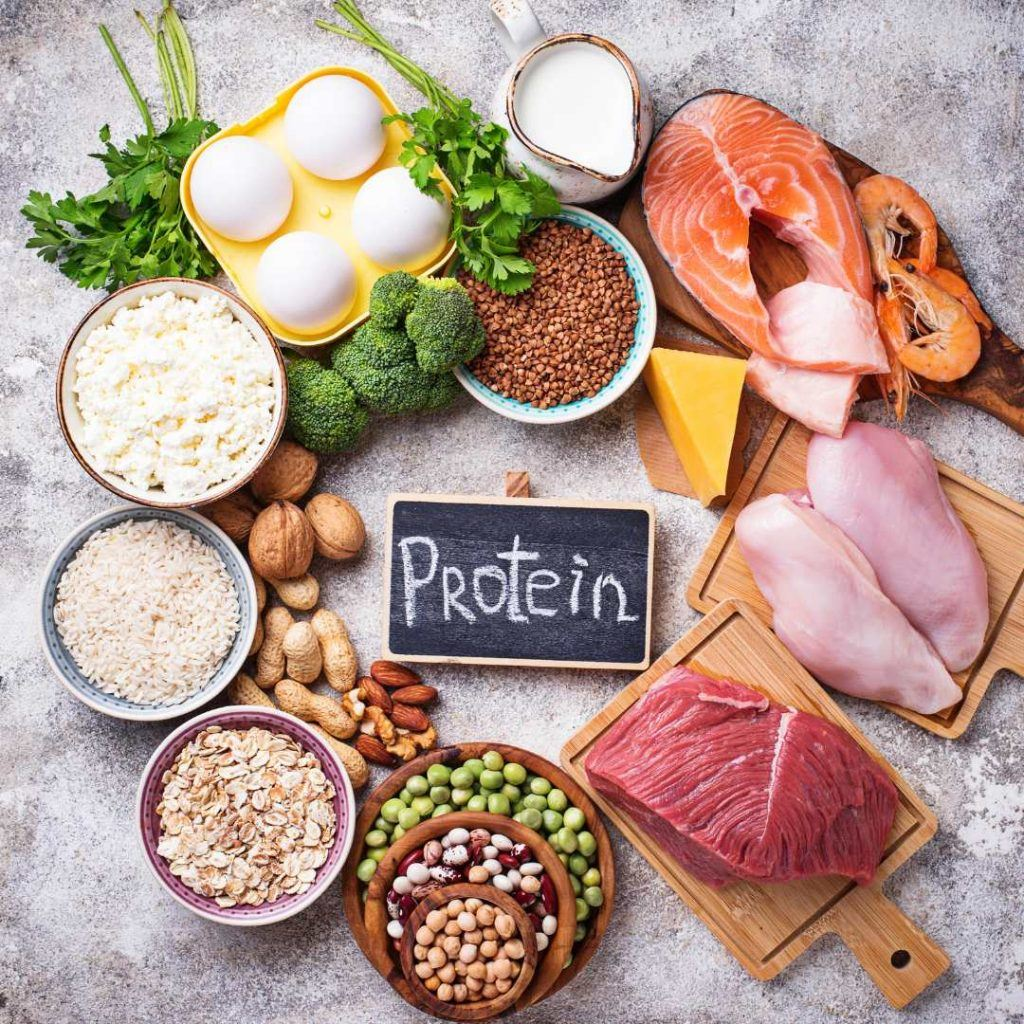
Protein isn’t just for muscle—it plays a crucial role in brain function and mood regulation. Including sources like eggs, fish, beans, or tofu in your meals helps keep your energy steady and your mind clear.
Tip: Incorporate a protein source into every meal to prevent afternoon energy crashes.
3. Embrace Healthy Fats
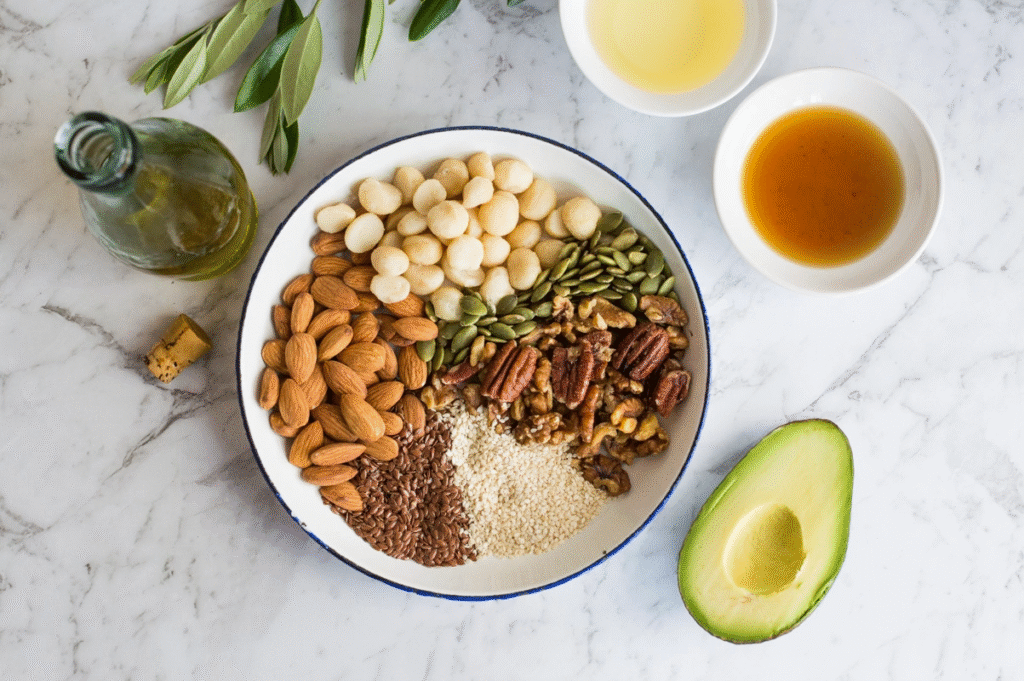
Healthy fats are essential for your brain, hormone balance, and heart health. Avocados, olive oil, fatty fish, and nuts are excellent choices that support your body from the inside out.
Tip: Add a small handful of nuts or a drizzle of olive oil to salads or roasted vegetables for an easy nutrient boost.
4. Hydration Is Self-Care Too

It’s easy to overlook water, but dehydration can lead to fatigue, irritability, and poor concentration. Drinking enough water—or hydrating through herbal teas and water-rich foods like cucumbers and watermelon—is a simple way to care for yourself daily.
Tip: Keep a water bottle within reach and sip consistently throughout the day.
5. Mindful Eating Supports Mental Health

Eating should be more than just fueling the body; it’s also an opportunity to slow down and nourish your mind. Mindful eating encourages you to savor flavors, notice textures, and truly enjoy your meals, which can reduce stress and improve digestion.
Tip: Try putting your phone away during meals and taking a few deep breaths before you start eating.
6. Foods That Boost Mood
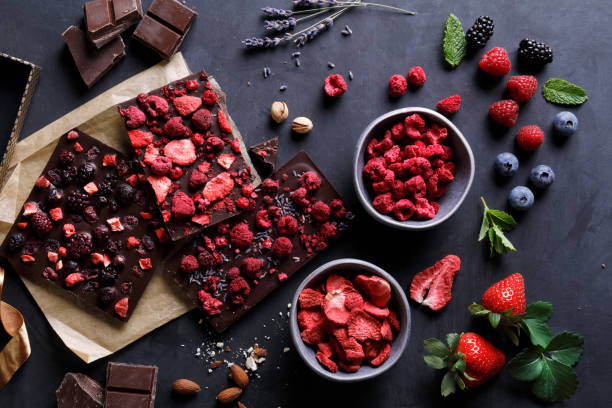
Certain foods have been shown to positively affect mood. Dark chocolate, berries, leafy greens, turmeric, and fatty fish can all support mental wellbeing by reducing inflammation and supporting neurotransmitter function.
Tip: Incorporate one or two “mood-boosting” foods into your meals daily to help lift your spirits naturally.
Final Thoughts
Food is more than fuel—it’s a tool for self-care, energy, and happiness. By choosing nourishing, mindful meals and listening to your body’s needs, you can create a daily routine that supports your mental and physical wellbeing. Eating well doesn’t have to be complicated; it’s about balance, awareness, and enjoying the process. Treat yourself with kindness, one meal at a time.
This blog is for informational purposes only and is not a substitute for professional medical advice. Always consult a healthcare provider for personalized dietary guidance.
#FoodBasedSelfCare #EatWellFeelBetter #HealthyEating #MindfulEating #WellnessTips #SelfCareRoutine #NutritionMatters #HealthyLifestyle #MoodBoostingFoods #Wellbeing #Anslation #Carrerbook