

The Ultimate Guide to Self-Care: Prioritize Your Wellbeing
In today’s fast-paced world, self-care is more than just a trend—it is an essential practice for maintaining mental, emotional, and physical wellbeing. Taking the time to nurture yourself is not selfish; it is a necessary step to perform at your best in all areas of life. This guide explores practical strategies, tips, and insights to help you build a sustainable self-care routine that prioritizes your overall health.
What Is Self-Care?
Self-care is any intentional action you take to preserve or improve your physical, emotional, and mental health. It ranges from simple daily habits, like drinking enough water, to deeper practices, such as setting boundaries and reflecting on personal goals. It is about recognizing your needs and taking active steps to meet them, allowing you to live a balanced and fulfilling life.
The Importance of Self-Care
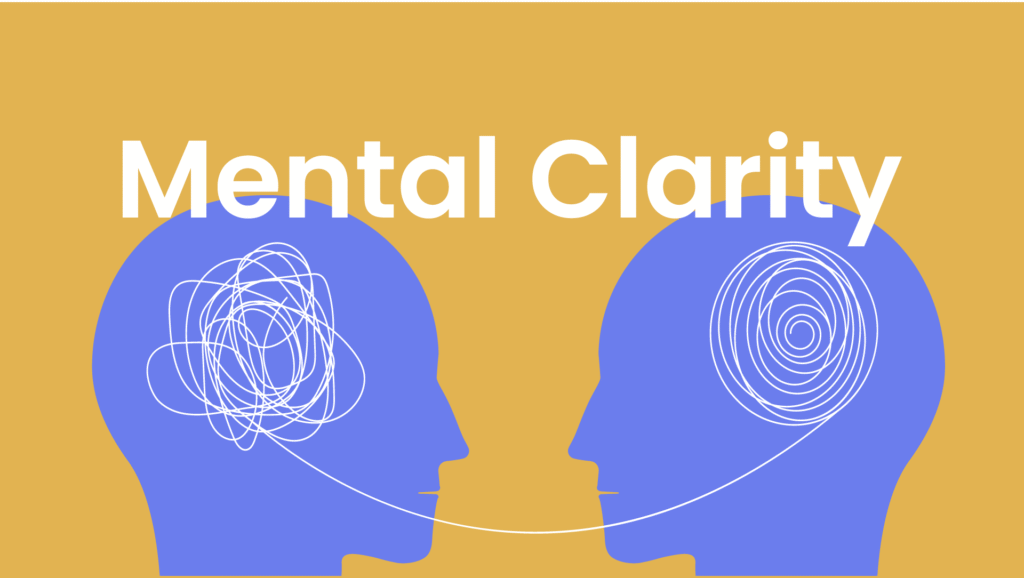
Neglecting self-care can lead to burnout, chronic stress, and decreased productivity. On the other hand, consistent self-care has numerous benefits, including:
- Improved mental clarity and focus
- Enhanced emotional resilience
- Increased energy and physical health
- Better relationships with others
- Greater overall life satisfaction
By prioritizing self-care, you create a strong foundation for managing stress, pursuing goals, and maintaining healthy connections with yourself and those around you.
Self-Care Practices for Mind, Body, and Soul
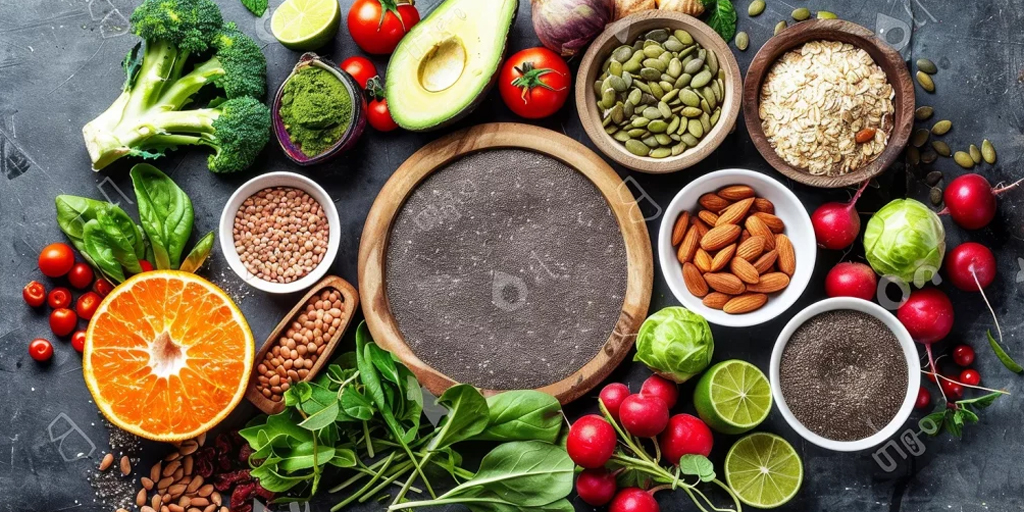
1. Physical Self-Care
Physical wellbeing forms the foundation of overall self-care. Some effective practices include:
- Exercise: Regular movement improves mood, boosts energy, and supports heart and muscle health.
- Nutrition: Eating balanced meals nourishes your body and maintains consistent energy levels.
- Sleep: Prioritize 7–9 hours of quality sleep each night for recovery and mental clarity.
- Hydration: Drinking enough water daily helps with digestion, focus, and skin health.
2. Mental and Emotional Self-Care
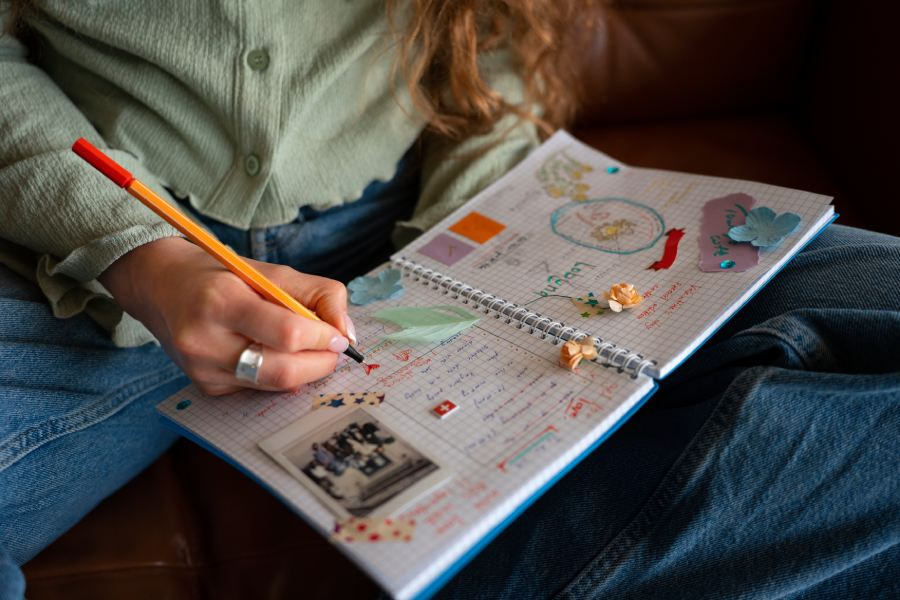
Mental and emotional care is vital for reducing stress and improving resilience. Practices include:
- Mindfulness and Meditation: Simple breathing exercises or meditation sessions help reduce anxiety and improve focus.
- Journaling: Writing down thoughts and feelings allows for self-reflection and emotional release.
- Setting Boundaries: Learning to say no and manage your commitments protects your mental energy.
- Seeking Support: Talking to friends, family, or therapists provides emotional guidance and relief.
3. Spiritual and Personal Growth

Even if you don’t follow a specific religion, nurturing your spiritual or personal growth can enhance a sense of purpose:
- Nature Time: Spending time outdoors can improve mood and creativity.
- Hobbies: Engage in activities that bring joy and fulfillment.
- Gratitude Practices: Reflecting on what you are thankful for increases positivity.
- Personal Development: Read, learn, and set goals to grow intellectually and emotionally.
Building a Sustainable Self-Care Routine
Consistency is key in self-care. To create a sustainable routine:
- Start Small: Introduce one or two self-care practices at a time.
- Schedule Your Time: Treat self-care like an important appointment.
- Listen to Your Body: Adjust routines based on how you feel physically and mentally.
- Be Flexible: Life changes, and your self-care needs may evolve. Adapt without guilt.
- Track Your Progress: Keep a journal to notice improvements and stay motivated.
Final Thoughts
Self-care is a lifelong journey, not a one-time task. Prioritizing your wellbeing allows you to be more present, focused, and energized in all aspects of life. By incorporating physical, mental, and spiritual practices into your daily routine, you create a foundation for long-term health, happiness, and resilience. Remember, taking care of yourself is not indulgent—it is essential
This blog is intended for general informational purposes only and is not a substitute for professional medical, psychological, or nutritional advice. Individual results may vary, and you should consult a qualified professional for guidance tailored to your specific needs.
#SelfCare #Wellbeing #HealthyLifestyle #MindBodySoul #SelfCareRoutine #MentalHealth #PersonalGrowth #StressRelief #Anslation #Carrerbook