
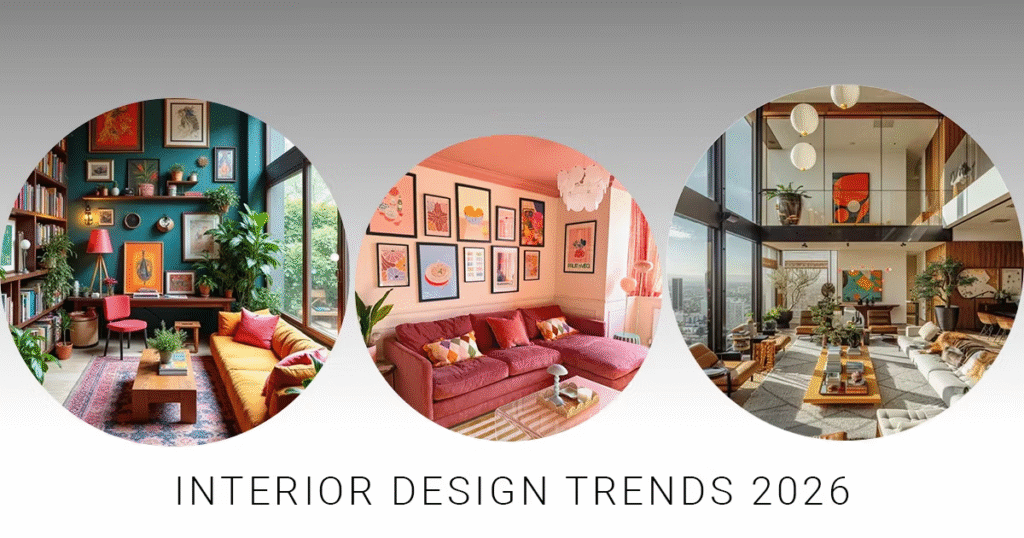
At its core, modern home design prioritizes clean architectural lines, uncluttered layouts, and an unwavering focus on everyday functionality. Unlike traditional styles that lean heavily on ornate detailing and dense drapery, modern aesthetics champion the philosophy that less is more. The primary goal is to curate an environment that feels expansive, well-organized, and fundamentally welcoming.
Modern spaces rely on a careful blend of geometric precision and natural warmth. By removing visual noise, these homes allow essential architectural features, quality materials, and subtle textures to take center stage, creating a peaceful backdrop for daily life.
Key Characteristics of Modern Interiors
To achieve a modern look, designers consistently lean on several core foundational elements:
- Open floor plans that encourage fluidity between rooms.
- Neutral color palettes that promote relaxation and visual harmony.
- Expansive windows designed to maximize natural daylight.
- Minimalist décor where every object serves a deliberate purpose.
- Streamlined furniture that balances sleek form with physical comfort.
- Natural materials like stone, timber, and linen to ground the space.
- Integrated smart features that automate routine home tasks.
- Energy-efficient systems that minimize environmental impact.
1. Open-Concept Living Spaces
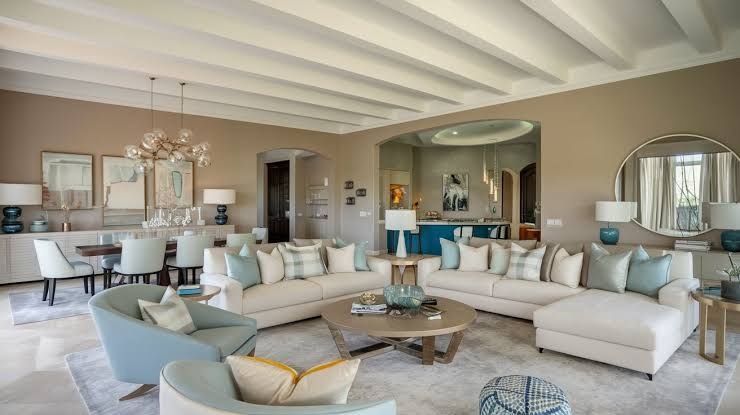
The preference for open layouts continues to dominate contemporary residential architecture. By breaking down unnecessary interior walls, the kitchen, dining room, and living areas merge into a single cohesive zone. This spatial continuity drastically improves the flow of foot traffic and fosters seamless daily communication among family members.
+-------------------------------------------------------+
|                 OPEN-CONCEPT LAYOUT                   |
|                                                       |
|   [ Kitchen ]   <--->   [ Dining ]   <--->  [ Living ]|
|                                                       |
|        ======== Continuous Natural Light ========     |
+-------------------------------------------------------+
Beyond social benefits, open designs allow light from exterior windows to penetrate deep into the center of the home. This architectural strategy eliminates dark corners, making even modest square footage feel substantially larger, brighter, and more versatile.
2. Seamless Smart Home Technology
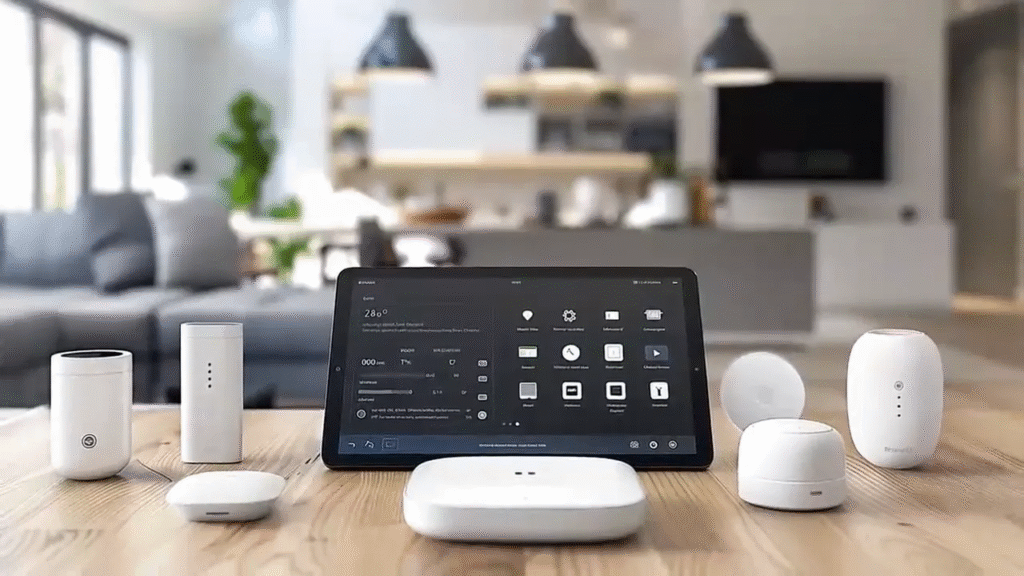
Technology in 2026 is no longer an afterthought or an awkward add-on; it is invisible, intuitive, and deeply integrated into the structural fabric of the home. Modern automation systems focus on enhancing personal comfort while quietly driving down utility expenditures.
Popular Smart Features
- Adaptive lighting that adjusts color temperature based on the time of day.
- Voice-activated assistants that centralize control of home appliances.
- Learning thermostats that optimize heating and cooling routines.
- Integrated security networks featuring smart locks and real-time video monitoring.
- Automated window shades synchronized with sunrise and sunset schedules.
- Real-time energy monitors that track electricity usage across individual circuits.
3. Sustainable and Eco-Friendly Materials
Environmental responsibility sits at the very heart of current design practices. Homeowners are increasingly prioritizing ethically sourced and non-toxic materials that reduce carbon footprints without sacrificing structural durability or luxury aesthetics.
| Material | Primary Application | Key Benefit |
| Bamboo | Flooring & Cabinetry | Rapidly renewable and highly durable |
| Reclaimed Wood | Feature Walls & Furniture | Adds historical character and reduces deforestation |
| Recycled Glass | Countertops & Tiles | Repurposes waste into striking visual patterns |
| Low-VOC Paints | Interior Surfaces | Eliminates harmful chemical off-gassing indoors |
Choosing sustainable building components ensures a healthier indoor climate while contributing to long-term economic efficiency through built-in longevity.
4. Soothing Neutral Color Palettes
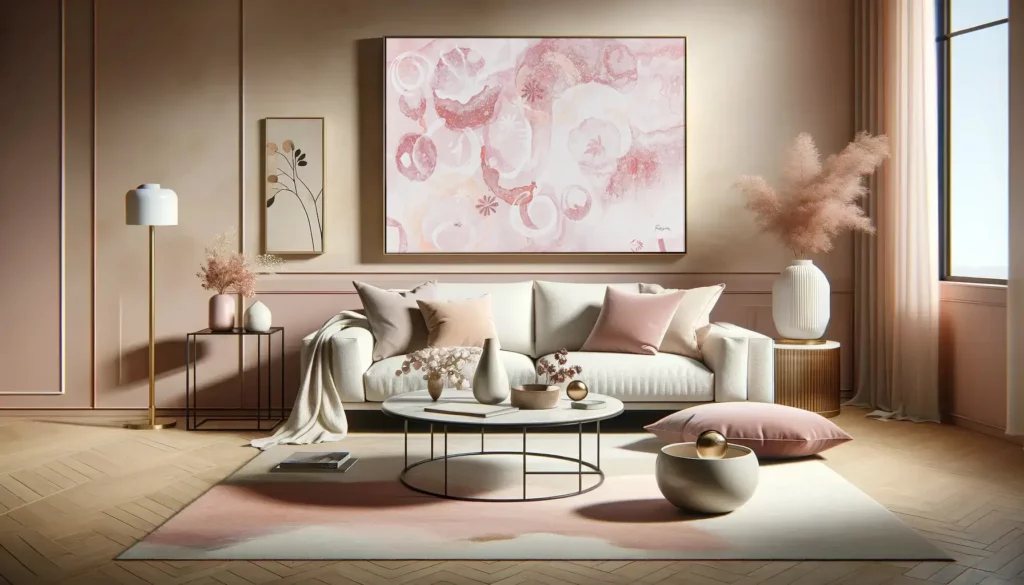
Color plays a vital role in determining the psychological tone of a space. Modern interiors favor earthy, subdued color schemes that evoke serenity and order. Shades like crisp white, soft beige, warm gray, sand, and pale sage green act as versatile backdrops.
Instead of overwhelming a room with bright wall paint, color is introduced intentionally through textured textiles, artwork, and natural accents. This approach ensures your primary living areas remain timeless, allowing you to update the room’s mood over time simply by swapping out low-cost accessories.
5. Adaptable Multifunctional Spaces
With hybrid work and learning models firmly established, modern homes must adapt to shifting daily demands. Rooms are no longer locked into single, rigid functions; instead, they are engineered for dynamic flexibility.
Examples of Flexible Design
- Dedicated home offices featuring custom wall beds that transform into cozy guest suites.
- Dining corners equipped with hidden cable management and drop-down desks for daytime work.
- Living room seating featuring deep built-in storage compartments for clutter-free living.
- Modular wall units that fold out into dining tables or study spaces on demand.
6. Abundant Natural Light and Glazing
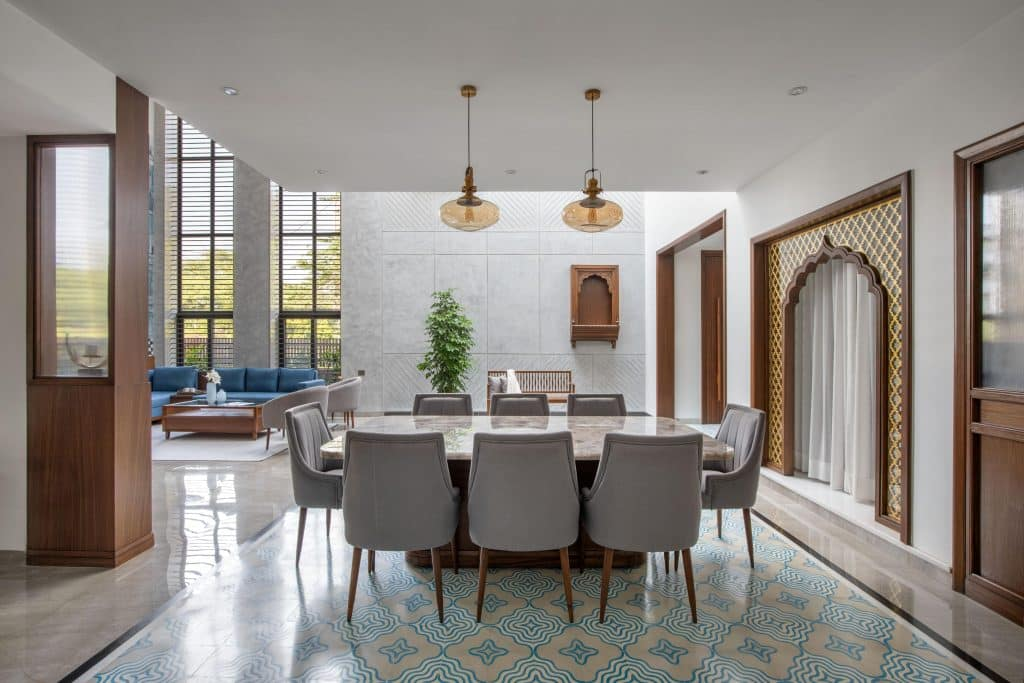
Sunlight is a critical component of healthy interior design. Modern home floor plans prioritize oversized windows, floor-to-ceiling glass sliding doors, and strategic skylights to blur the boundary between indoor rooms and outdoor landscapes.
       \  \  Natural Light  /  /
        \  \               /  /
         v  v             v  v
+-------------------------------------+
| [Glass Door]           [Skylight]   |
|                                     |
|    Bright, Airy Interior Living     |
|                                     |
| [Oversized Window]                  |
+-------------------------------------+
Maximizing natural daylight significantly reduces the need for daytime artificial lighting, directly lowering electrical consumption. Furthermore, ample sunlight exposure actively supports circadian rhythms, boosting overall mood, focus, and mental well-being.
7. Streamlined Minimalist Furniture
Modern furniture design places structural integrity, ergonomic comfort, and functional utility far above elaborate ornament. The goal is to select fewer, higher-quality pieces that give the room space to breathe.
Low-profile modular sofas, floating wall units, and sleek dining tables with slim profiles maintain clear sightlines throughout the house. By choosing furniture raised on slender legs, light can pass underneath, creating an illusion of greater floor space and overall openness.
8. Biophilic Design and Indoor Flora
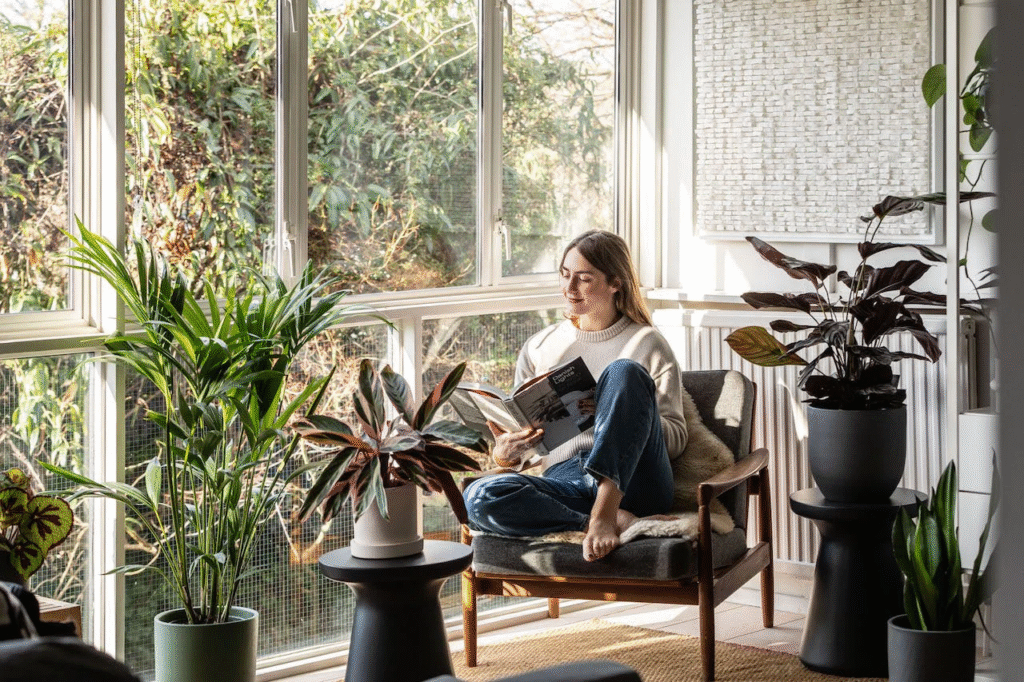
Connecting human spaces with nature—a concept known as biophilic design—has transitioned from a trendy concept to a fundamental design standard. Incorporating live indoor plants introduces organic shapes, vibrant color, and physical texture to clean modern interiors.
Top Low-Maintenance Indoor Plants
- Snake Plants: Extremely resilient plants that thrive in low-light environments.
- Monstera Deliciosa: Features dramatic, broad leaves that create an instant visual focal point.
- Peace Lilies: Excellent natural air purifiers that produce elegant white blooms.
- Pothos: Fast-growing trailing vines perfect for elevated open shelves or hanging planters.
Beyond visual warmth, indoor foliage actively filters air pollutants, increases humidity levels, and creates a relaxing natural ambiance.
9. Layered Statement Lighting
Lighting in modern design is viewed through two distinct lenses: practical illumination and sculptural art. Rather than relying on a single overhead light source, modern spaces utilize layered lighting strategies to craft depth and adaptable atmospheres.
Ambient overhead lighting provides general visibility, task lighting illuminates specific work zones like kitchen islands or reading nooks, and accent lighting highlights architectural features or artwork. The introduction of sculptural pendant fixtures and sleek LED strip lighting adds immediate modern sophistication.
10. Curated and Personalized Decor
While modern design leans toward restraint, it should never feel cold or sterile. The most successful modern homes incorporate thoughtful personal artifacts that tell the unique story of the people who live there.
The secret lies in selective curation. Instead of displaying dozens of small trinkets, display a few large-scale items, such as a custom canvas painting, a collection of travel ceramics, or a restored vintage accent chair. Grouping curated items purposefully on floating shelves creates visual intrigue without triggering visual overload.
Practical Tips for Designing a Modern Space
Refining your living space does not require a complete architectural overhaul. You can implement meaningful modern upgrades by following a few clear steps:
- Declutter mercilessly: Keep flat surfaces like countertops and coffee tables free of daily clutter.
- Optimize storage: Utilize hidden storage bins and built-in cabinetry to tuck away loose items.
- Unify your palette: Paint adjacent rooms in matching or complementary soft neutrals to create flow.
- Upgrade hardware: Replace outdated cabinet handles and faucets with matte black or brushed metal alternatives.
- Focus on scale: Select furniture that fits the physical dimensions of your room without blocking pathways.
Common Design Mistakes to Avoid
Design Tip: A stylish home that lacks comfort or function will ultimately fail to satisfy its occupants. Always design for how you actually live.
Avoid these frequent pitfalls when updating your interior:
- Overcrowding the room: Resist the temptation to fill every empty corner with furniture or decorative objects.
- Ignoring light levels: Failing to combine task, ambient, and mood lighting results in flat, clinical-feeling rooms.
- Prioritizing looks over comfort: Furniture must be physically inviting and durable, not just visually pleasing.
- Chasing temporary fads: Avoid hyper-specific trends that will look dated within a couple of years.
- Neglecting acoustics: Hard modern surfaces like concrete and tile bounce sound; offset this with plush rugs and soft curtains.
The Future Outlook of Residential Spaces
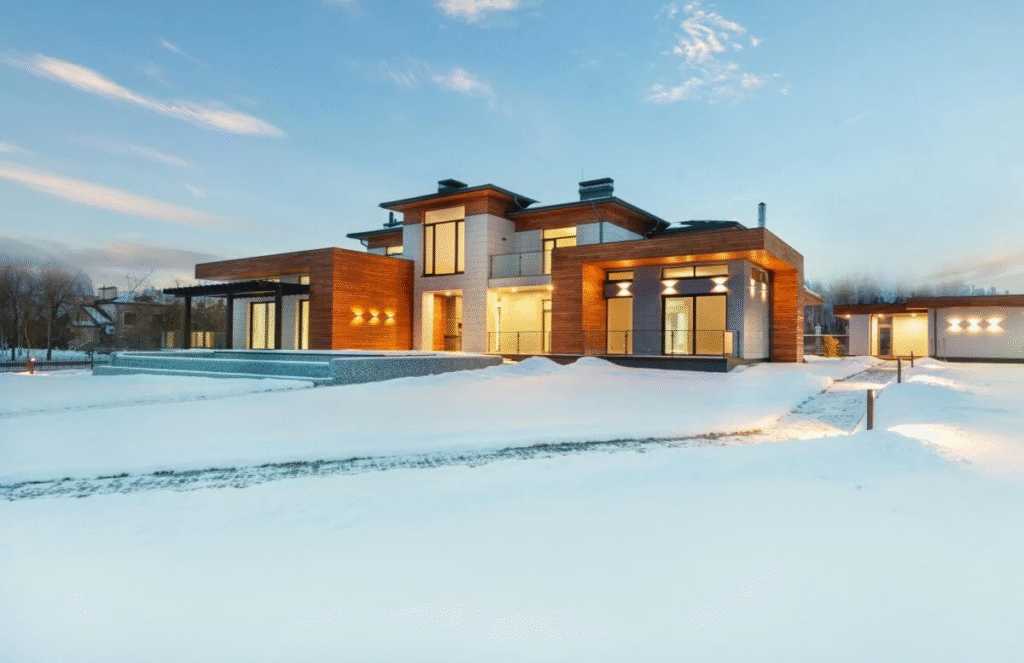
As we look beyond 2026, modern home design will continue to be driven by advancements in artificial intelligence, zero-waste construction methods, and holistic wellness principles. Future homes will autonomously adjust indoor climate control, air filtration, and lighting scenes based on the real-time health data and preferences of their residents.
Ultimately, modern design is not about adhering to strict, clinical rules. It is about thoughtfully crafting an environment that streamlines your daily tasks, reduces stress, and provides a sustainable, tailored sanctuary for years to come.